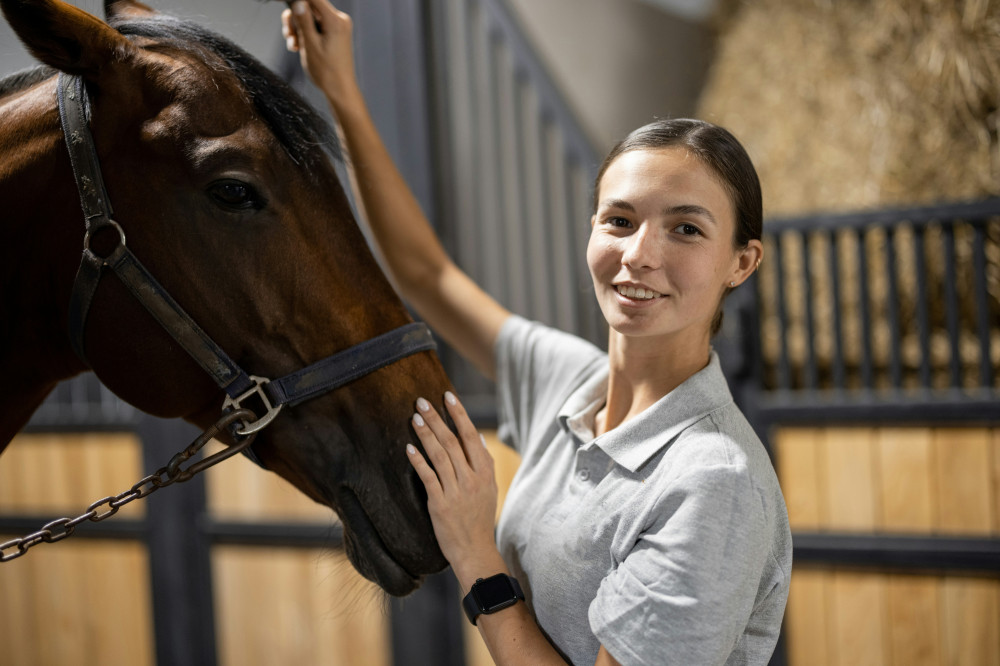
Trust in the Barn: How to Build a Strong Bond with Your Horse

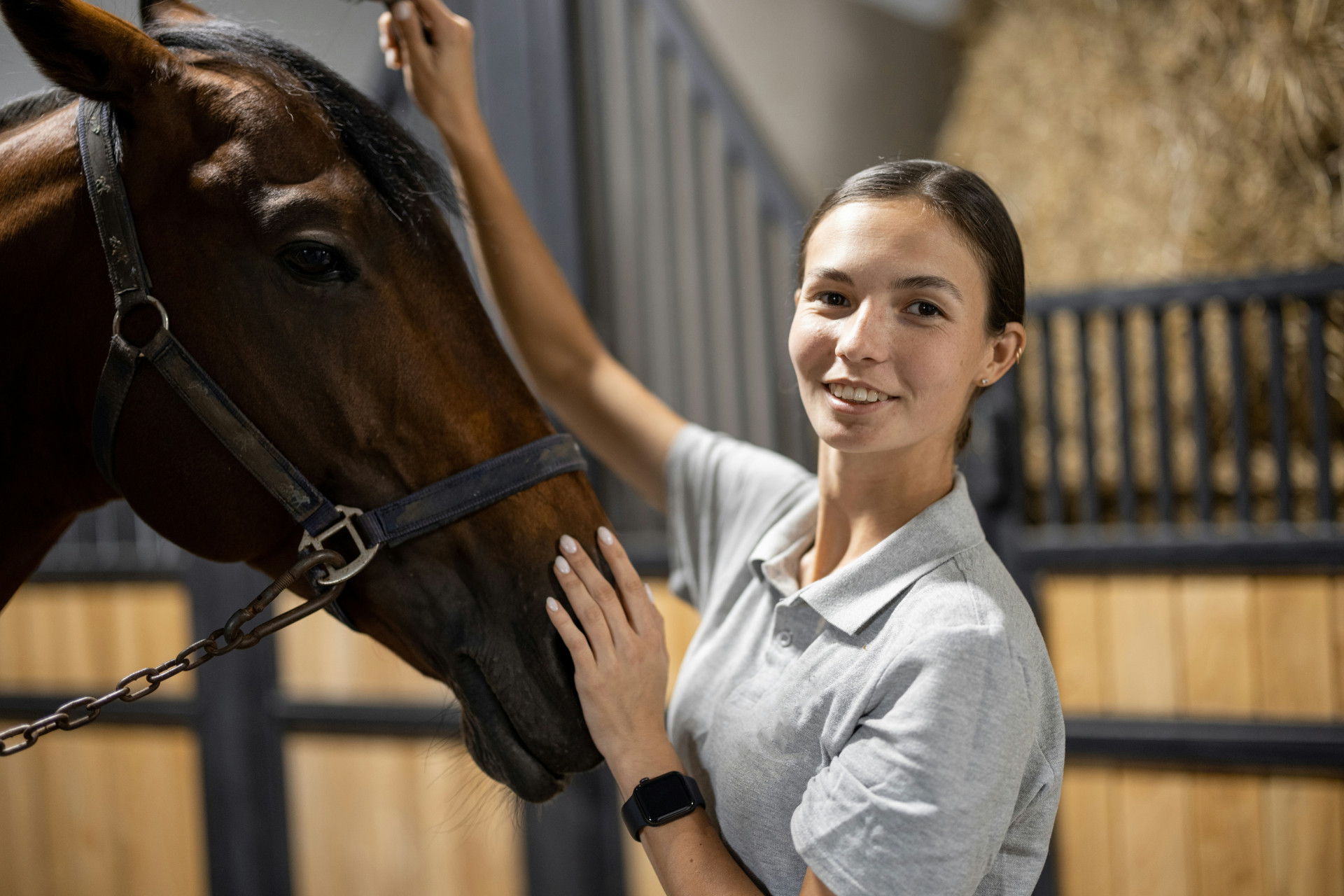
Trust in the Barn: How to Build a Strong Bond with Your Horse
Building a trusting relationship with your horse is the foundation for safety, communication, and joy—whether you compete, trail ride, or simply love spending time at the barn. Horses are prey animals that respond to energy, tone, and body language, so earning their trust takes patience, consistency, and respect. Here’s how you can strengthen the bond between you and your horse, step by step.
Understand Your Horse’s Nature
Trust begins with understanding. Horses are herd animals that seek security through clear, calm leadership. When you work with your horse, think of yourself as part of its herd—not a boss, but a steady and reliable partner.
Learn to read your horse’s signals: ears, eyes, tail, and muscle tension all reveal how it feels. A horse that feels seen and understood will relax and start to trust you more quickly.
Create Comfort Through Routine
Horses thrive on predictability. Consistent routines in feeding, grooming, and training help them feel safe. When you approach your horse the same way each day—with a calm voice, steady movements, and patience—it learns that you are dependable.
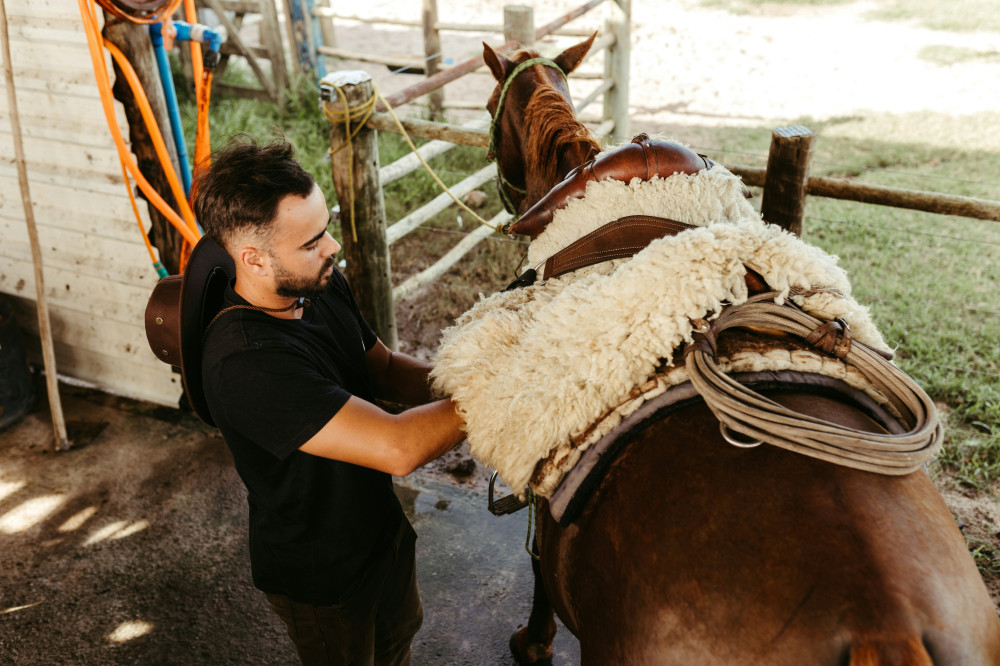
Small gestures matter: greet your horse before entering the stall, let it sniff the tack, and give it time to process new experiences. These moments show respect and help your horse feel secure in your presence.
Train with Partnership in Mind
Trust grows through cooperation, not control. Focus on exercises that build communication—both on the ground and under saddle. Groundwork, where your horse learns to respond to your cues without pressure, is an excellent way to develop mutual understanding.
Reward good behavior with praise, a gentle pat, or a short break. Horses learn best when they associate working with you as something positive. Avoid punishment for mistakes—it creates confusion and can damage the trust you’re trying to build.
Be Aware of Your Own Body Language
Horses are incredibly perceptive. They sense when you’re nervous, impatient, or frustrated. That’s why it’s important to manage your own emotions and energy. Breathe deeply, move calmly, and use a steady, kind tone.
If you feel yourself getting upset, take a break. It’s better to pause than to let frustration affect your interaction. Horses remember how you make them feel—so aim to be a source of calm and confidence.
Spend Time Without Expectations
Trust isn’t built only during training sessions. Spend quiet time with your horse without asking for anything. Go for a hand walk, groom slowly, or simply stand together in the pasture. These peaceful moments show your horse that you value its company, not just its performance.
Many riders find that these unhurried interactions become the foundation for deeper connection—because the horse learns that you’re part of its world, not just a rider on its back.
Læs også:

Patience Is the Key
Trust takes time to build but can be lost in an instant. Patience is your greatest tool as a horse owner. Some days everything flows easily; other days feel like two steps forward and one step back—and that’s perfectly normal.
Think of your relationship as a journey, not a destination. When you approach your horse with calmness, consistency, and respect, it will begin to mirror your trust. And when that happens, the partnership you share becomes not only stronger—but truly extraordinary.
Læs også: