Maintain Your Riding Gear – Extend Its Lifespan with Proper Care

Maintain Your Riding Gear – Extend Its Lifespan with Proper Care
Riding gear is an investment — not only financially, but also in terms of comfort and safety for both rider and horse. Equipment used daily is exposed to sweat, dirt, moisture, and wear, and without regular maintenance, it quickly loses its function and durability. With the right care, you can extend the lifespan of your gear and ensure it remains comfortable and safe to use. Here’s a guide to keeping your riding equipment in top condition.
Leather Gear: Clean, Condition, and Protect
Leather is a natural material that needs consistent care to stay supple and strong. Dry or greasy straps can crack, and dirt can weaken stitching. Set aside time regularly to clean and condition your leather gear.
- Wipe down after each ride – Remove sweat and dirt with a damp cloth after every ride. This prevents salt and dust from penetrating the leather.
- Deep clean weekly – Once a week (or more often if you ride frequently), take apart your bridle and saddle and clean them with a mild leather soap. Use a soft sponge and avoid soaking the leather.
- Condition properly – Once dry, apply a thin layer of leather conditioner or balm. This keeps the leather flexible and prevents it from drying out.
- Store correctly – Keep leather in a dry, temperate place. Avoid direct sunlight, damp basements, or overly warm tack rooms, as these can cause mold or cracking.
Choose products suited to your specific leather type — for example, special conditioners for calfskin or nubuck if your gear is made from these materials.
Læs også:

The Saddle: Comfort and Safety in Balance
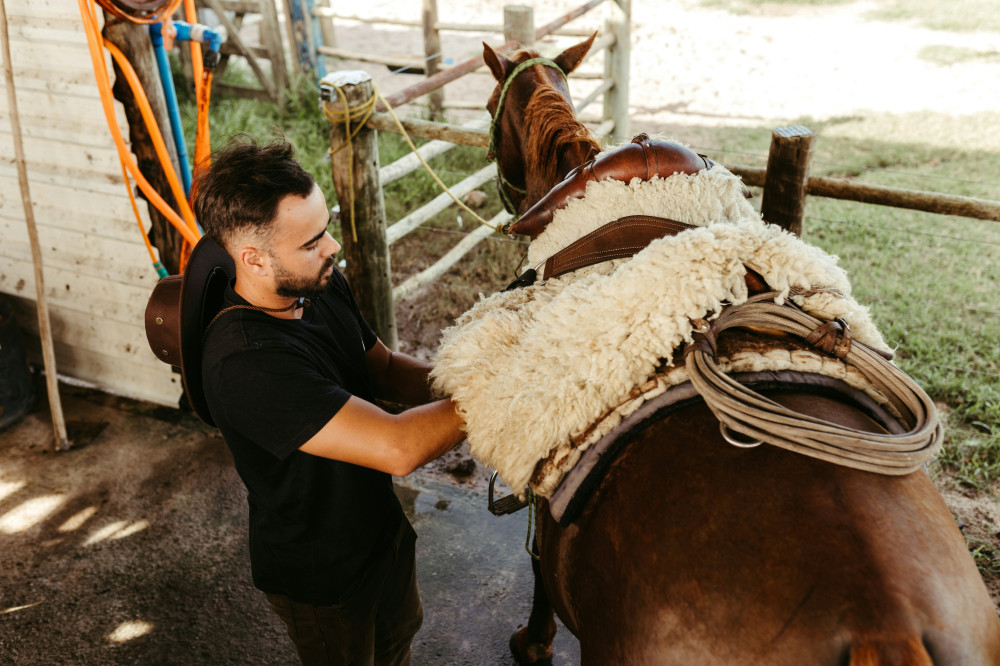
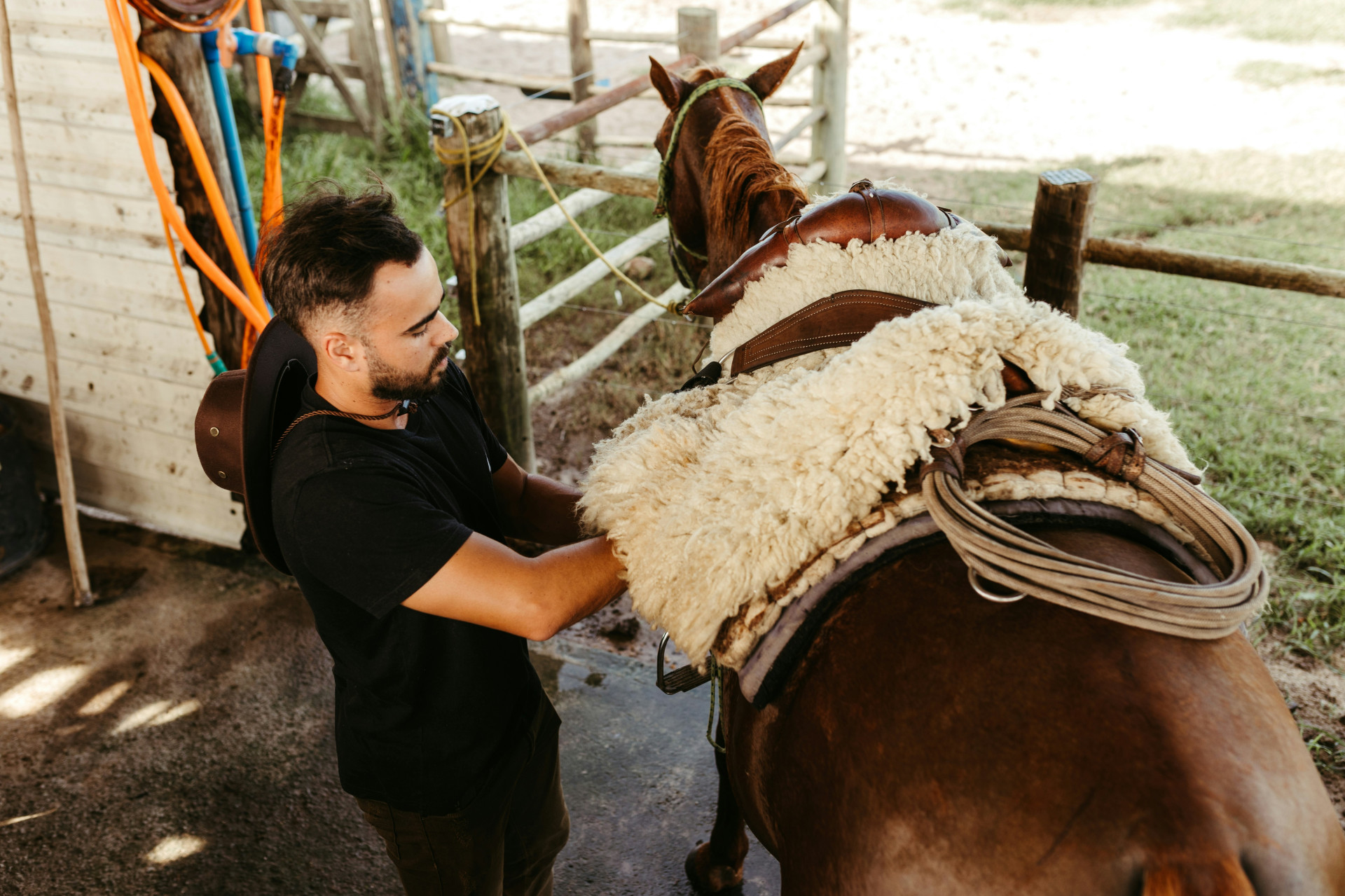
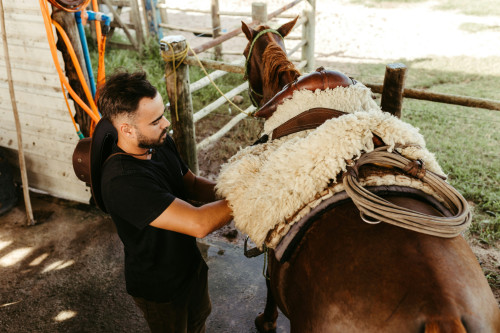
The saddle is one of the most important pieces of equipment, and its condition directly affects both horse and rider comfort. A poorly maintained saddle can lose its shape, become uneven, or create pressure points.
- Inspect stitching and buckles regularly for signs of wear.
- Clean the saddle as you would other leather gear, paying extra attention to the flaps and seat where sweat and moisture accumulate.
- Check the flocking – Have a professional saddle fitter inspect the flocking at least once a year. Uneven padding can cause discomfort or soreness for your horse.
- Use a saddle cover when not in use to protect it from dust and sunlight.
A well-maintained saddle not only lasts longer but also retains its fit and provides a more enjoyable ride.
Bridles, Reins, and Bits
Bridles and reins endure constant movement and moisture, making them prone to wear.
- Clean the bit after every ride – rinse it in warm water and dry it thoroughly. A clean bit is more comfortable for your horse.
- Check buckles and stitching – especially around cheekpieces and nosebands, where stress is greatest.
- Condition leather parts regularly, but avoid getting conditioner on the bit, as it can make it slippery and unpleasant for the horse.
If you use synthetic bridles, they can often be washed with mild soap and water — but always follow the manufacturer’s care instructions.
Blankets and Saddle Pads
Blankets and saddle pads quickly collect sweat, hair, and dust, which can irritate your horse’s skin if not cleaned regularly.
- Wash frequently – Follow the care label and use a mild detergent without fabric softener. Fabric softeners can damage the material’s breathability.
- Dry thoroughly – Hang blankets and pads in a well-ventilated area. Avoid dryers unless the label specifically says it’s safe.
- Repair small tears – Fix small rips or loose seams right away to prevent them from getting worse.
Clean pads and well-maintained blankets not only look better but also help prevent rubs and skin irritation.
Boots and Riding Footwear
Riding boots and half chaps face mud, moisture, and heavy use.
- Clean after every ride – Wipe off dirt and dust with a damp cloth.
- Use boot trees – They help maintain shape and prevent creases in the leather.
- Condition appropriately – Leather boots need regular conditioning or waxing, while synthetic ones can simply be wiped clean.
- Dry slowly – If your boots get wet, let them dry at room temperature — never on a heater or in direct sunlight.
Storage and Routine Care
An organized tack room makes maintenance easier and more efficient.
- Hang bridles and saddles on proper racks to preserve their shape.
- Use blanket bars or hooks so textiles can dry properly.
- Establish a routine — for example, a weekly “tack check” day to inspect everything for dirt and wear.
By making maintenance a natural part of your riding routine, you’ll save time and money in the long run — and ensure that both you and your horse get the most out of your equipment.
An Investment in Durability and Safety
Proper care of your riding gear isn’t just about appearance — it’s about safety and comfort. Well-maintained equipment provides better control, fewer injuries, and a more enjoyable experience for both horse and rider. With a little regular effort, you can significantly extend the life of your gear and ride with confidence, knowing everything is in top condition.
Læs også: