The right riding helmet saves lives – fit and certification make the difference


The right riding helmet saves lives – fit and certification make the difference
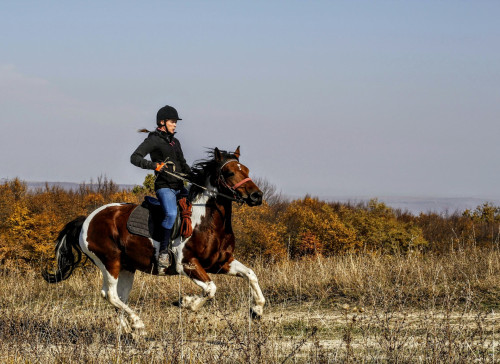
A riding helmet isn’t just another piece of gear – it’s your most important safety equipment every time you get in the saddle. Whether you’re riding in an arena, on the trail, or at a show, a fall can happen in an instant. The right helmet can mean the difference between a scare and a serious head injury. But what makes a helmet “right”? It comes down to fit, certification, and proper care.
Why a helmet is essential
Your head is the most vulnerable part of your body in a fall. Even at low speed, the impact from a horse’s height can be severe. A well-designed riding helmet absorbs and disperses the force of impact, protecting your brain from injury.
Statistics from the U.S. Equestrian Federation and the Centers for Disease Control show that head injuries are among the most serious – and most preventable – in equestrian sports. Wearing a properly fitted, certified helmet every time you ride is the single most effective way to reduce the risk.
Fit – the key to protection
A helmet only protects you if it fits correctly. A loose helmet can slip or come off during a fall, while one that’s too tight can cause headaches and discomfort that discourage you from wearing it.
When trying on a helmet, make sure it:
- Fits snugly but comfortably – it shouldn’t move when you shake your head.
- Sits level – not tilted back, leaving your forehead exposed.
- Has a secure chin strap – it should be snug under your chin but not pinch.
- Matches your head shape – some helmets are more oval, others round. Try several brands to find your best fit.
Avoid buying a helmet that’s “a little big to grow into” for a child. A helmet must fit properly from day one to provide real protection.
Certification and safety standards
In the United States, all riding helmets sold for equestrian use should meet or exceed the ASTM F1163 standard and carry SEI (Safety Equipment Institute) certification. This label, found inside the helmet, confirms that the model has passed rigorous testing for impact absorption, penetration resistance, and strap strength.
Some international helmets may also meet standards such as PAS 015 (UK) or VG1 (EU). While these are also high-quality certifications, U.S. competitions typically require ASTM/SEI approval. Always check the rules of your riding organization or show before competing.
Replacement and maintenance
Even the best helmet doesn’t last forever. Materials degrade over time, and a single impact can compromise the helmet’s protective structure – even if there’s no visible damage.
As a general rule:
- Replace your helmet after any fall in which your head hits the ground.
- Replace it every 3–5 years, depending on use and storage conditions.
- Store it in a cool, dry place, away from direct sunlight or extreme heat.
- Never buy a used helmet unless you know its full history.
Leaving a helmet in a hot car or damp tack room can weaken its materials. Replacing it is a small cost compared to the protection it provides.
Comfort and ventilation – safety’s best allies
A comfortable helmet is one you’ll actually wear. Modern helmets combine safety with comfort: lightweight shells, ventilation channels, and removable liners make them suitable for long rides and warm weather.
If you ride frequently, consider a model with adjustable padding or a dial-fit system. This allows you to fine-tune the fit whether you’re wearing your hair up, down, or under a winter cap.
Choosing the right helmet
When shopping for a new helmet, take your time and try on several models. Visit a tack shop where trained staff can help you find the right size and shape.
Think about:
- Your riding discipline – English, western, trail, or eventing.
- How often you ride – frequent riders benefit from higher comfort and ventilation.
- Your budget – higher price doesn’t always mean safer, but may offer better fit and features.
The most important thing is that you feel secure and comfortable – because the helmet you wear every time is the one that saves lives.
Læs også:


An investment in safety
A riding helmet isn’t just a rule – it’s an investment in your well-being. The right helmet can’t prevent a fall, but it can determine how you walk away from it.
Whether you’re a beginner or a seasoned rider, remember: fit, certification, and maintenance make all the difference. Small details can have a huge impact – and ultimately, they can save your life.
Læs også: