Responsibility in the Saddle: How to Take Care of Both Yourself and Your Horse


Responsibility in the Saddle: How to Take Care of Both Yourself and Your Horse
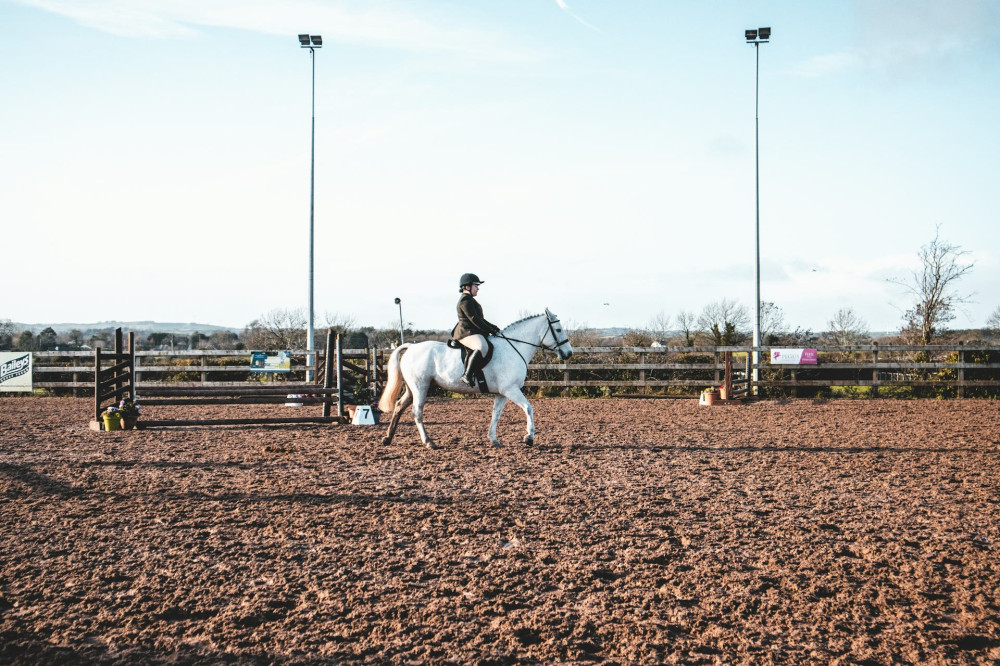
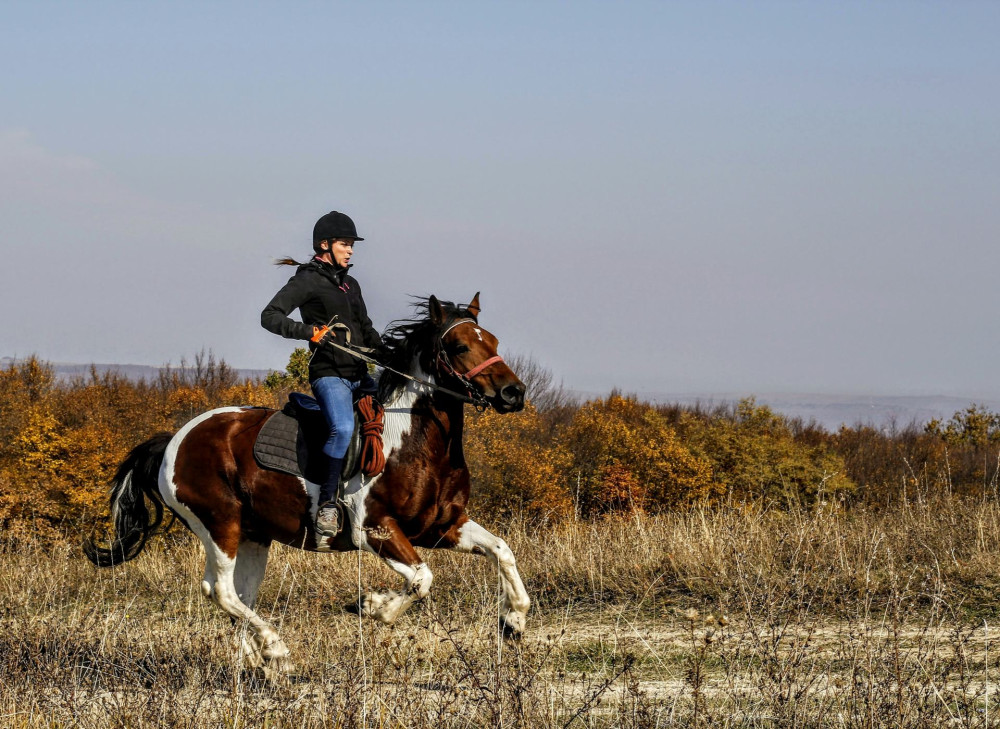
Riding is more than a sport – it’s a partnership built on trust, respect, and responsibility. Whether you’re trail riding through open country, schooling in an arena, or competing at a show, your safety and your horse’s well-being go hand in hand. Here’s a guide to riding responsibly – for yourself, your horse, and the equestrian community you’re part of.
Safety Starts Before You Mount
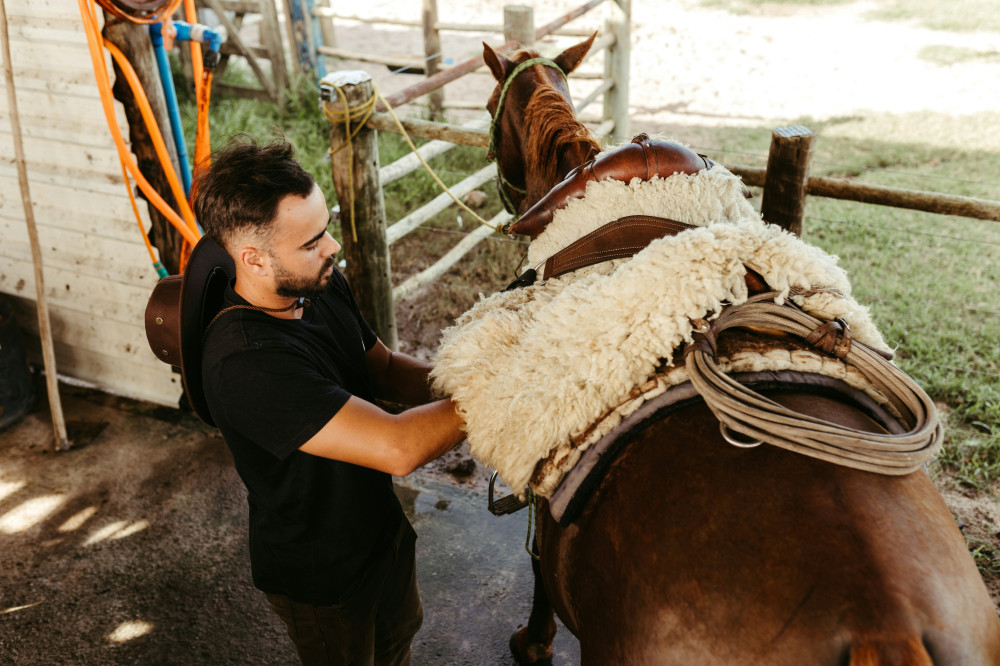
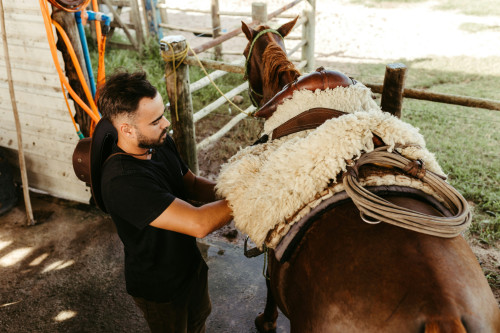
A safe ride begins long before you swing into the saddle. Always check your tack: saddle, girth, bridle, and stirrups should be in good condition and properly fitted to both you and your horse. Worn leather or loose buckles can quickly lead to accidents.
Never skip your helmet – no matter how experienced you are. A properly fitted, ASTM/SEI-certified riding helmet can make the difference between a scare and a serious injury. Consider wearing a protective vest, especially for jumping or cross-country riding, where falls are more likely.
Dress for safety and comfort. Avoid loose clothing that could catch on tack, and wear boots with a heel to prevent your foot from slipping through the stirrup. Gloves can also improve your grip and protect your hands.
Know Your Horse – and Listen to Its Signals
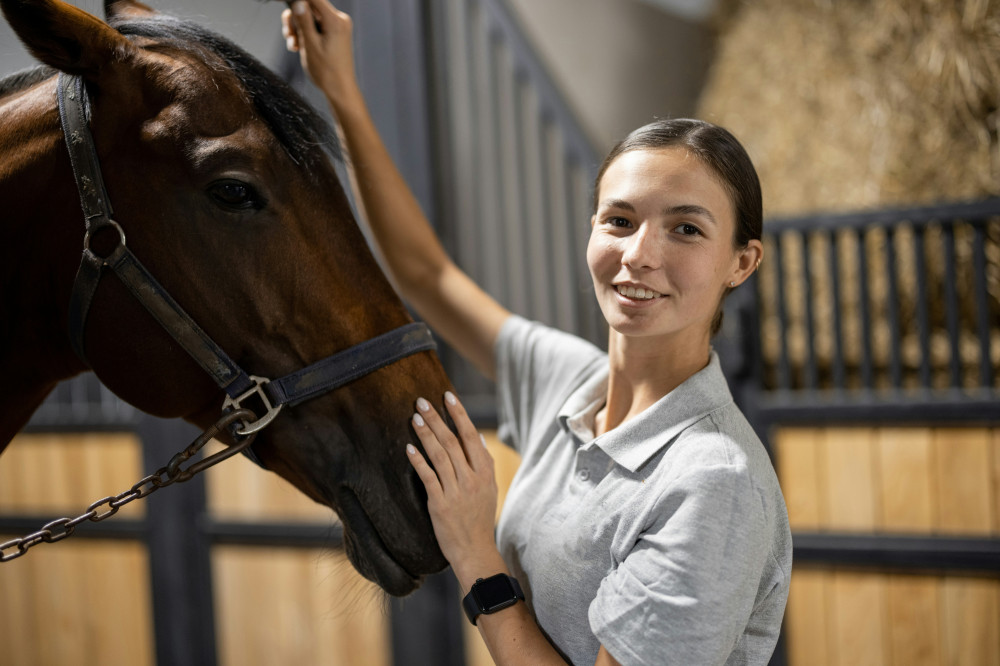
Being responsible in the saddle means understanding your horse as an individual. Horses communicate constantly through their ears, eyes, tail, and body language. A horse that seems tense, resistant, or distracted is often trying to tell you something.
Learn to read those signals and respond calmly. Patience and consistency build trust. If your horse suddenly changes behavior, it could be a sign of pain, poor saddle fit, or stress. In such cases, consult a veterinarian, saddle fitter, or experienced trainer before continuing.
Læs også:

Thoughtful Training Builds Strength and Confidence
Good training respects both the horse’s physical and mental limits. Warm-up and cool-down periods aren’t optional – they’re essential for preventing injuries and helping your horse stay supple and relaxed.
Vary your training routine to keep your horse engaged and balanced. Mix arena work with trail rides, ground exercises, and rest days. Overtraining can lead to soreness, tension, and loss of motivation – just as it can for riders.
Remember that praise and breaks are part of training, too. A horse that feels understood and rewarded learns faster and works more willingly.
The Rider as a Role Model
As a rider, you set an example – for younger equestrians, barn mates, and anyone who sees you ride. Responsibility means showing respect for rules, animals, and people alike.
That includes how you behave on the trail and in public spaces. Ride only where it’s permitted, yield to hikers and cyclists, and clean up after your horse in the barn or at events. Small acts like closing gates, sweeping the aisle, and helping others create a safer, friendlier environment for everyone.
Mental Balance for Horse and Rider
Riding requires focus, calm, and presence. If you’re stressed or frustrated, your horse will sense it immediately. Take a moment to center yourself before mounting – a short walk with your horse or a few deep breaths can make a big difference.
Your horse also needs mental balance. Horses thrive on routine, clear communication, and a calm atmosphere. A horse that feels secure and understood is easier to ride and happier in its work.
When Things Go Wrong
Even the most experienced riders have bad days or accidents. The key is to respond calmly and responsibly. If you fall, check that both you and your horse are okay before continuing. For any serious injury – to you or your horse – seek professional help right away.
Use the experience as a learning opportunity. Ask yourself what went wrong and how you can prevent it next time. Responsibility in the saddle isn’t about never making mistakes – it’s about learning from them.
A Partnership Built on Respect
Riding is a collaboration, not a contest of wills. When you take responsibility for your own safety and your horse’s well-being, you lay the foundation for a strong, trusting partnership. It’s about listening, learning, and growing together – one ride at a time.
Riding with responsibility means riding with care. It makes every experience safer, more rewarding, and more meaningful – for both you and your horse.
Læs også: