Visualization as a Tool for Calm and Well-Being

Visualization as a Tool for Calm and Well-Being
In a fast-paced world filled with constant notifications, deadlines, and responsibilities, finding moments of calm can feel like a luxury. Visualization—the practice of intentionally creating mental images—is a simple yet powerful way to restore balance, reduce stress, and enhance overall well-being. It’s used by athletes, therapists, and mindfulness practitioners alike, but it can also be a personal tool anyone can use to pause and reconnect with a sense of peace.
What Is Visualization?
Visualization is the art of using your imagination to influence your mind and body. When you picture a scene, a feeling, or a situation vividly, your brain responds almost as if you were actually experiencing it. This means you can use mental imagery to promote relaxation, focus, or motivation.
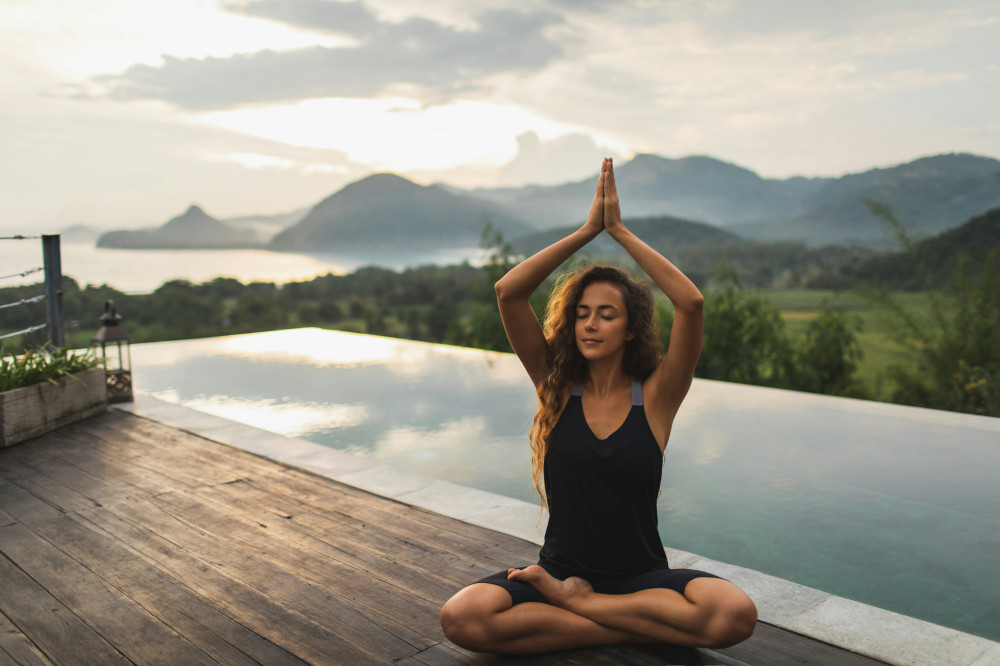
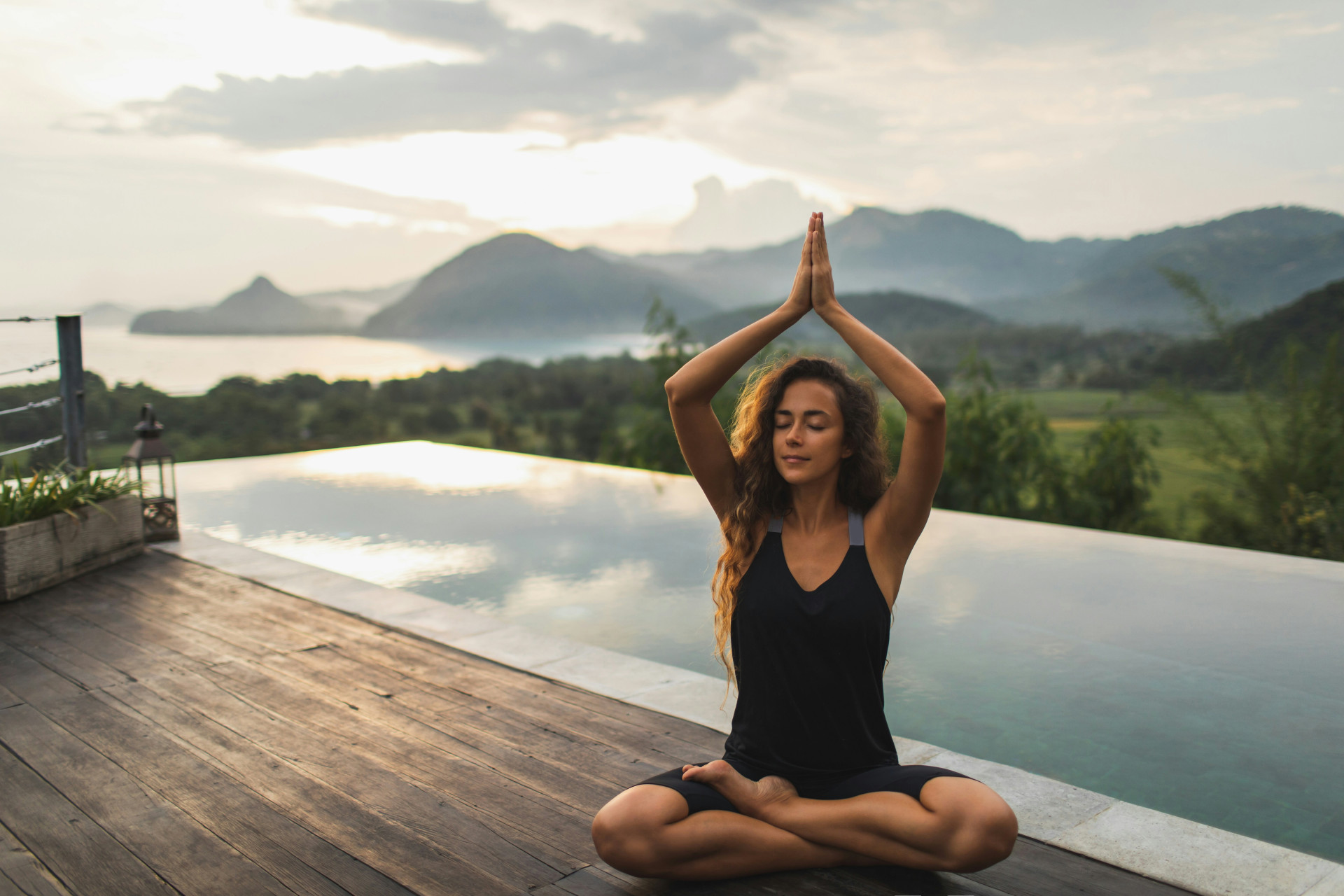
Imagine, for instance, sitting by a quiet lake at sunset. You can feel the warmth of the fading sun, hear the gentle ripple of water, and sense the stillness in the air. Even though you’re sitting at home, your body begins to relax—your heart rate slows, and your muscles release tension. This connection between thought and physical response is what makes visualization such an effective tool.
How to Get Started
You don’t need any special equipment or prior experience to practice visualization. What matters most is giving yourself a few uninterrupted minutes to focus inward.
- Find a quiet space – Sit or lie down somewhere you won’t be disturbed.
- Close your eyes and breathe slowly – Deep, steady breaths help calm your nervous system.
- Create a mental image – Picture a place where you feel safe and at ease. It could be a real location or one you invent.
- Engage all your senses – Notice the colors, sounds, textures, and scents. The more vivid the image, the stronger the effect.
- Stay with the experience – Let your mind settle into the scene, and return to the present moment when you feel ready.
Start with just a few minutes each day. Over time, you’ll find it easier to access a sense of calm—even in the middle of a busy day.
Visualization for Stress Relief
When we’re stressed, our bodies activate the “fight or flight” response. Visualization helps counter this by signaling to the brain that we’re safe, allowing the body to shift into a more relaxed state. This can lower blood pressure, ease muscle tension, and improve focus.
Many people use visualization as part of their daily routine—before bed, during a lunch break, or before a challenging event like a presentation or exam. It’s a gentle way to reset your mind and body, no matter what the day brings.
Combining Visualization with Other Practices
Visualization pairs well with other relaxation and mindfulness techniques:
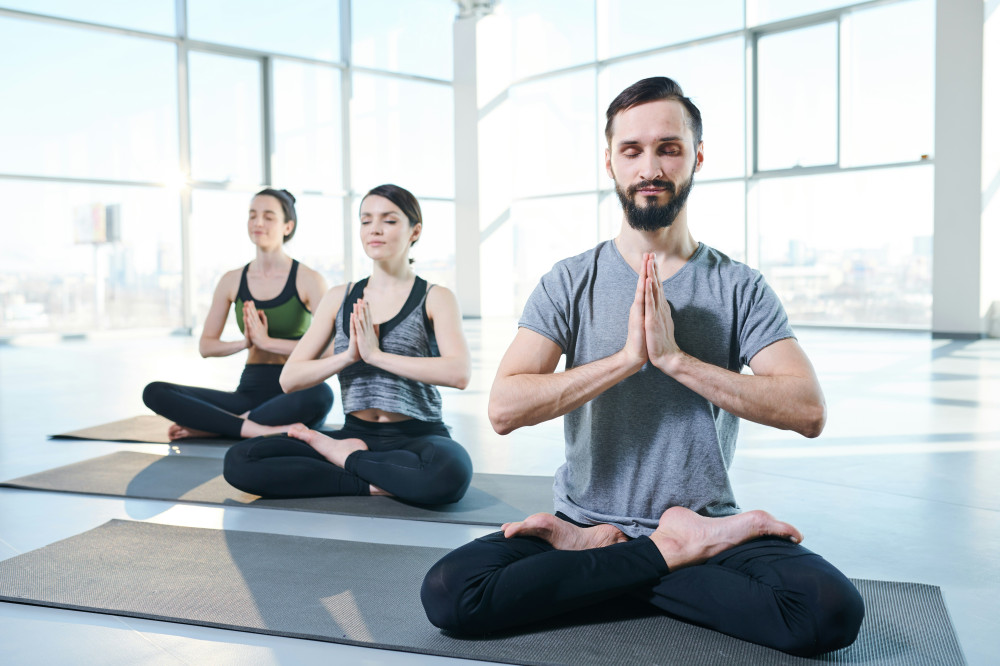
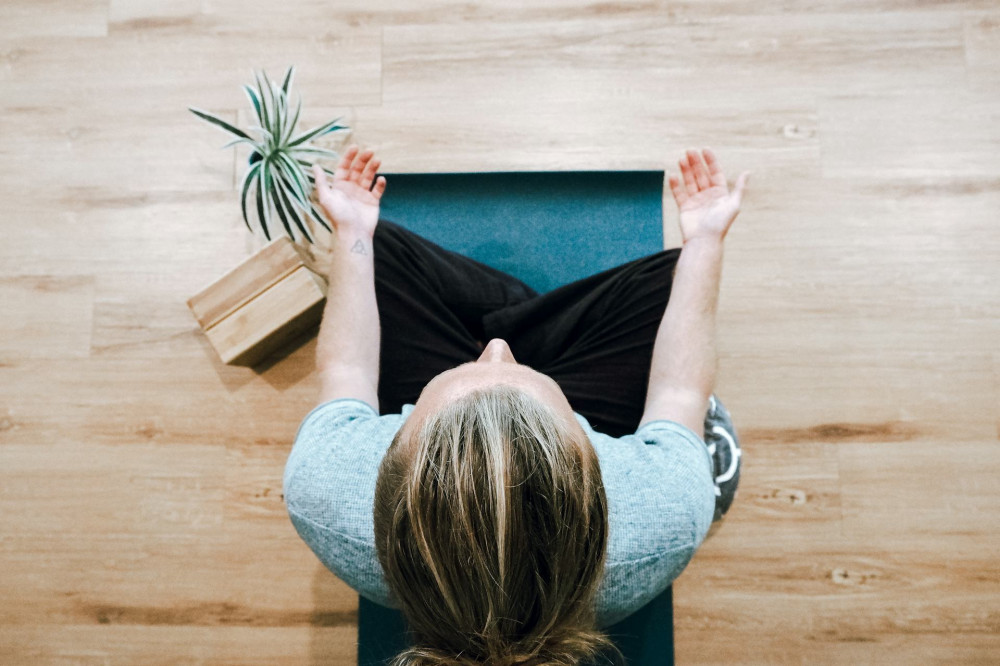
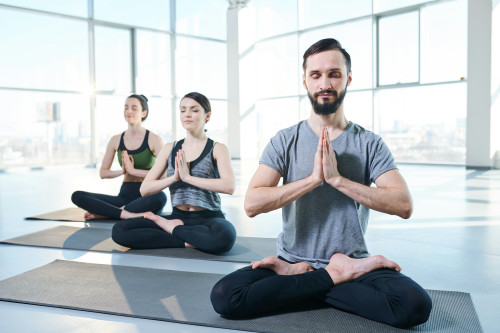
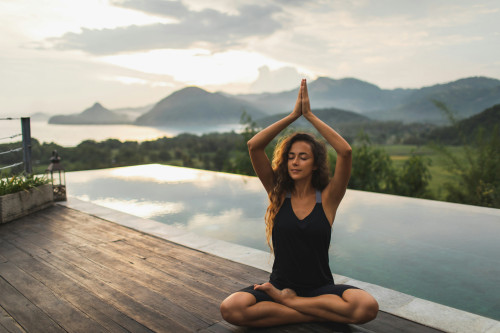
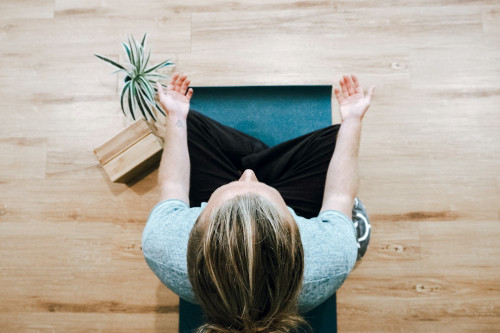
- Meditation: Use visualization as a guided inner journey to deepen your sense of presence.
- Breathing exercises: Imagine inhaling calm, clear energy and exhaling tension or worry.
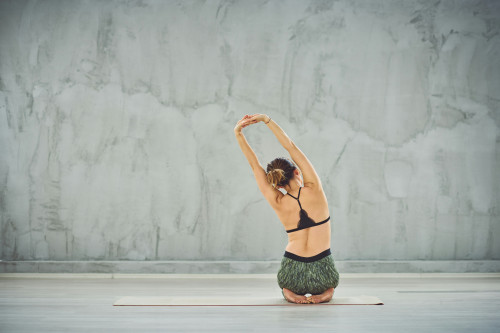
- Yoga: During relaxation poses, visualize light or warmth spreading through your body to enhance the feeling of balance.
Combining these methods can create a holistic experience where both body and mind work together toward calm and clarity.
Læs også:
Bringing Visualization into Everyday Life
You don’t need long sessions to benefit from visualization. Even brief moments can make a difference. Picture a peaceful morning while waiting in traffic, or imagine a serene landscape before falling asleep. Some people enjoy guided audio sessions, while others prefer to create their own mental imagery. The key is to find what feels natural and effective for you.
A Path to Inner Balance
Visualization isn’t a quick fix, but it’s a valuable practice for cultivating calm and well-being in a hectic world. By consciously using your imagination, you can influence your thoughts, emotions, and body—building an inner sense of peace you can return to whenever life feels overwhelming.
All it takes is a few minutes, an open mind, and a willingness to slow down. In return, you gain a tool that’s always available—wherever you are, whenever you need it.
Læs også: