Breath as Support: Strengthen Your Posture and Stability

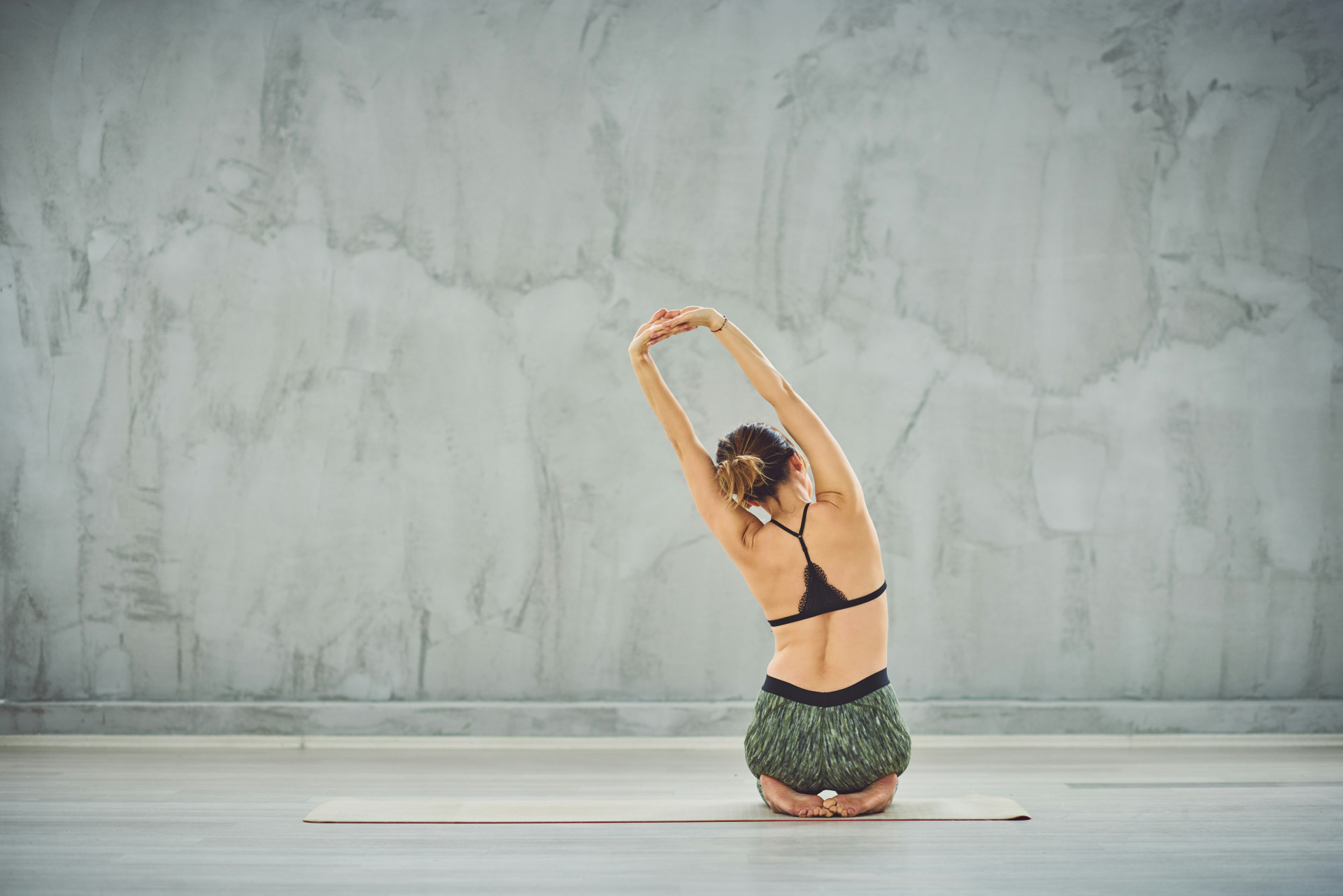
Breath as Support: Strengthen Your Posture and Stability
Most of us rarely think about how we breathe—it just happens automatically. But the way you breathe has a powerful influence on your posture, stability, and overall well-being. Conscious breathing can be the key to a stronger body, less tension, and better balance throughout your day. Here’s how you can use your breath as an active source of support for your body.
Why Your Breath Matters
Your breath is closely connected to your core muscles—especially the diaphragm, pelvic floor, and deep abdominal muscles. When you breathe slowly and deeply, these muscles work together as a natural support system that stabilizes your spine and helps you maintain healthy posture.
Shallow or stressed breathing, on the other hand, can create tension in your neck, shoulders, and lower back. Many people who spend hours sitting at a desk end up breathing high in the chest, which over time can lead to imbalance and discomfort.
Læs også:
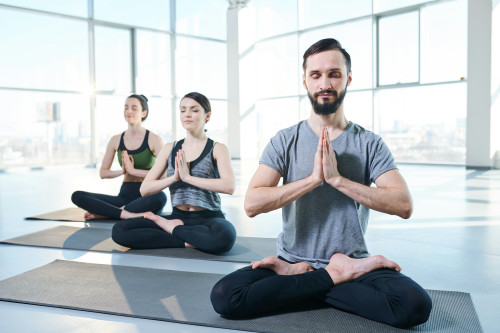

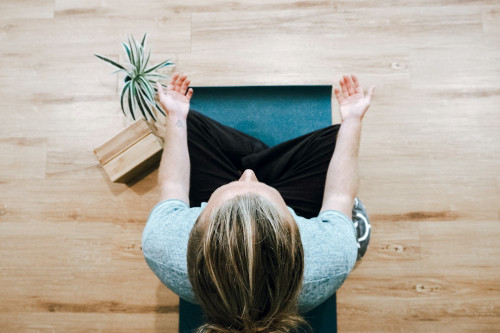
Find Your Natural Breath
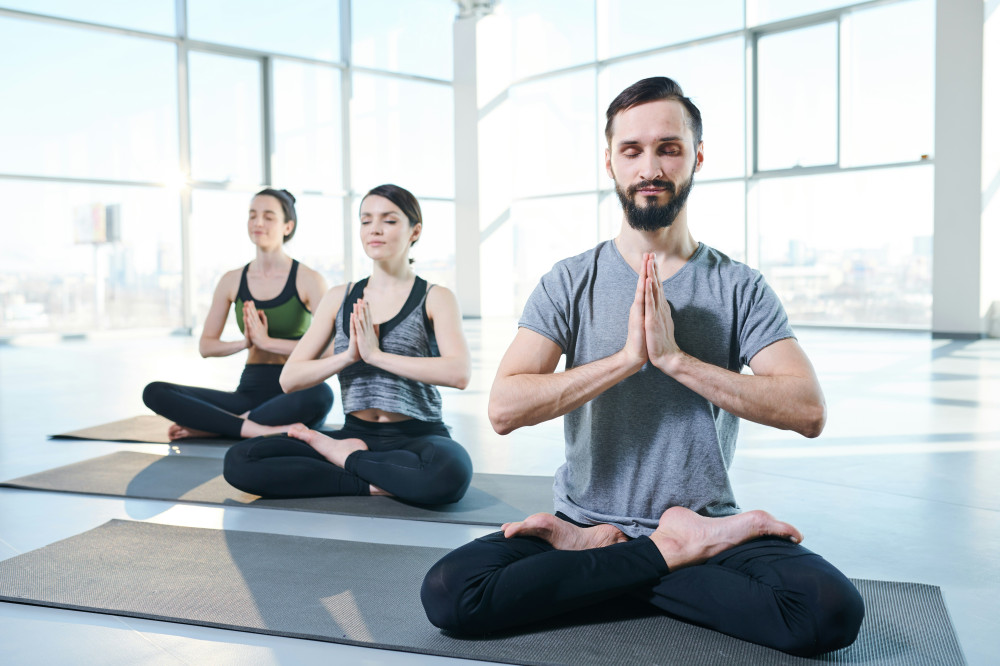
A good place to start is simply noticing how you breathe. Place one hand on your chest and one on your abdomen. Which hand moves more? If it’s mostly your chest, try allowing your belly to expand as you inhale—that’s a sign your diaphragm is doing its job.
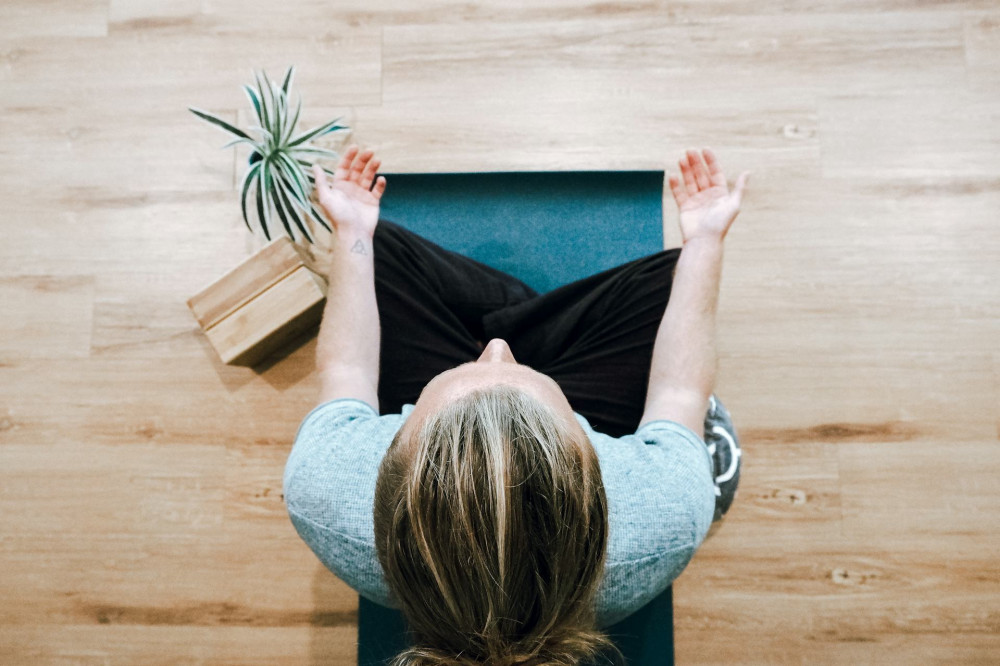
Find a quiet spot to sit or lie down. Inhale through your nose for four seconds, feeling your belly and the sides of your body expand. Then exhale slowly through your mouth. Repeat for a few minutes and notice how your body begins to relax.
Using Breath to Support Movement
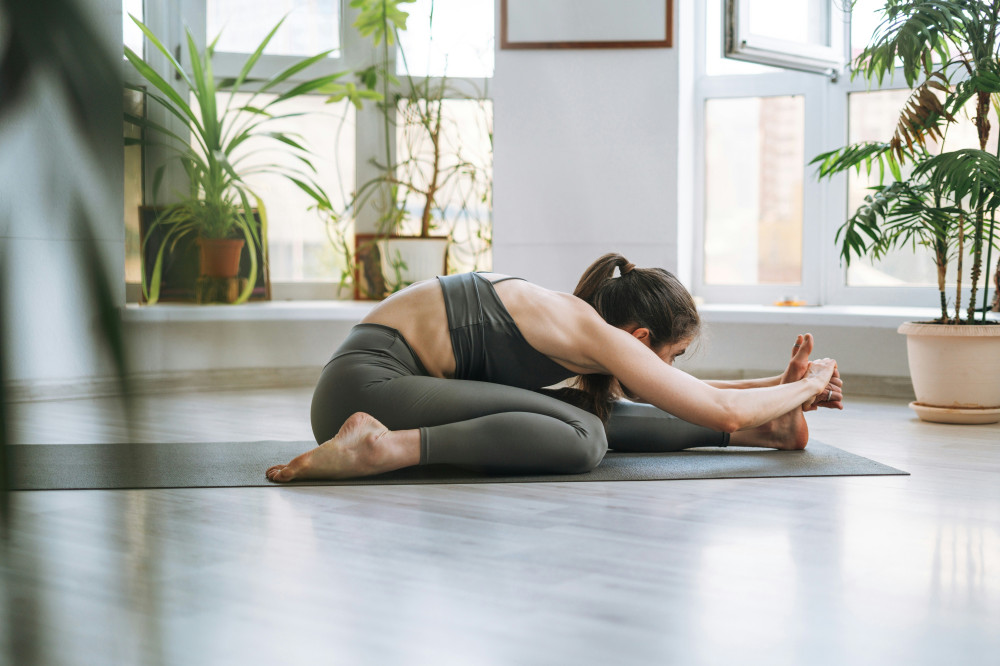
Whether you’re practicing yoga, lifting weights, or just moving through your daily routine, your breath can be an active part of your stability. Coordinating your breathing with movement helps you stay in control and reduces the risk of strain.
- When lifting or bending: Inhale as you prepare for the movement, and exhale as you lift or press. The exhale activates your deep core muscles and supports your back.
- During balance exercises: Keep your breath steady and even. Holding your breath creates unnecessary tension and makes it harder to stay balanced.
- For relaxation: Slow, rhythmic breathing helps calm your nervous system and release muscle tension.
The Connection Between Breath and Posture
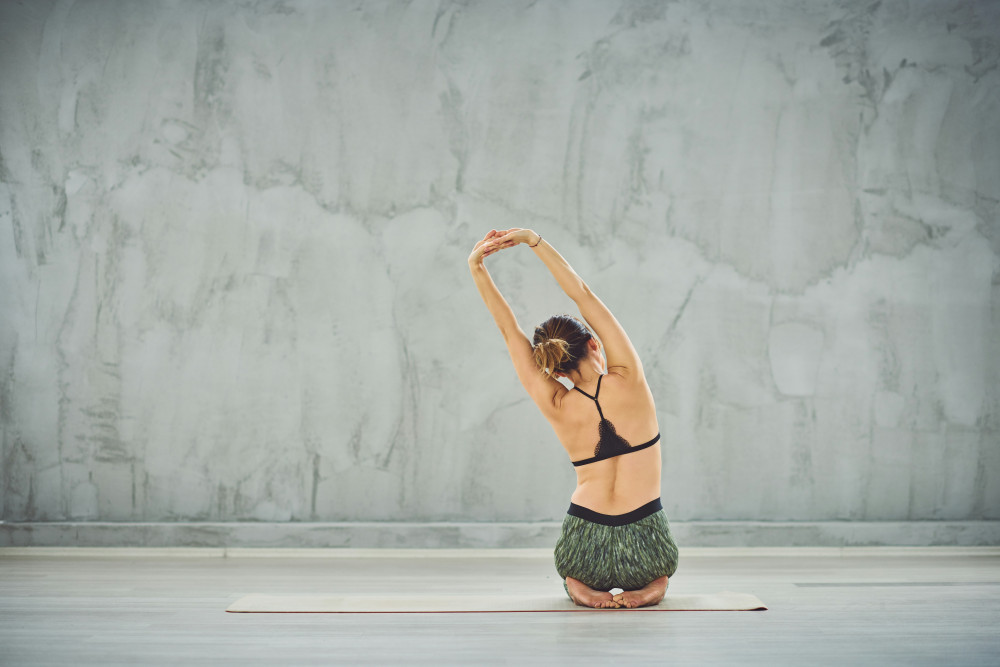
Good posture isn’t about forcing yourself to “stand up straight.” It’s about finding a natural alignment where your body supports itself with ease. When you breathe freely, your diaphragm moves like a piston, influencing the position of your spine and ribs. Free breathing requires space—and that space comes from an upright yet relaxed posture.
Imagine being gently lifted from the crown of your head while your shoulders drop away from your ears. Feel your chest open and your breath flow more easily. This small adjustment can make a big difference, especially if you spend much of your day sitting.
Bringing Breath Awareness Into Everyday Life
Working with your breath doesn’t take much time—it’s more about awareness. Here are a few simple ways to make it part of your daily routine:
- Start your morning with three deep, calm breaths before getting out of bed.
- Take short “breathing breaks” during the day to draw air all the way down into your belly.
- Use your breath as an anchor when you feel stressed or distracted—just a few mindful breaths can shift your state of mind.
- End your day with a few minutes of slow breathing while lying on your back to help your body unwind.
A Simple Tool With a Big Impact
You don’t need any equipment or special setting to work with your breath—just your attention. Yet the effects can be profound. When you learn to use your breath as support, you gain not only better posture and stability but also a calmer, more centered presence in everyday life.
Læs også: