The Philosophy of Yoga Explained: Unity of Body, Mind, and Spirit in the Modern Age

The Philosophy of Yoga Explained: Unity of Body, Mind, and Spirit in the Modern Age
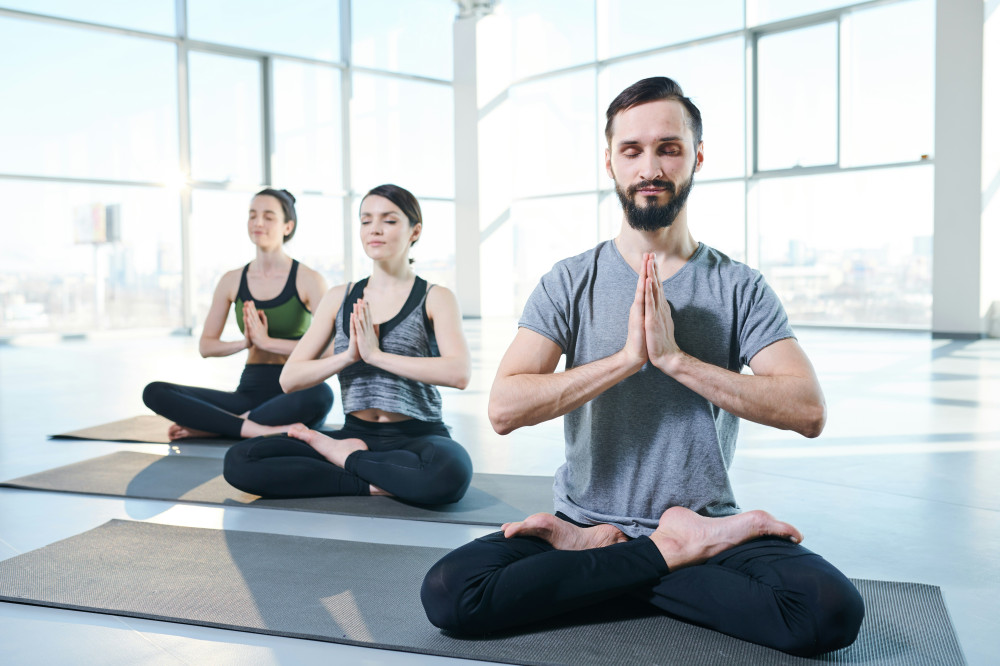
For many Americans, yoga has become synonymous with stretching, flexibility, and a sense of calm on the mat. Yet behind the physical postures lies a profound philosophy that dates back thousands of years. At its core, yoga is about creating harmony and unity—between body, mind, and spirit. In a fast-paced world shaped by technology, constant connectivity, and information overload, the philosophy of yoga offers a timeless path toward balance and inner peace.
From Ancient India to the Modern Studio
Yoga originated in ancient India as a spiritual discipline aimed at uniting the individual with the divine. The word yoga comes from Sanskrit and means “to yoke” or “to unite.” It refers to the integration of the physical and the spiritual, the personal and the universal.
In classical texts such as Patanjali’s Yoga Sutra, yoga is described as a method for quieting the fluctuations of the mind. It is not merely a physical practice but a holistic approach to awareness, clarity, and presence. Today, yoga has evolved into a global movement, embraced by millions who seek balance and well-being—often beginning with the physical aspect but gradually discovering its deeper dimensions.
The Eight Limbs – A Holistic Path to Harmony
The philosophy of yoga is often explained through the Eight Limbs of Yoga, a framework that outlines a complete path toward inner harmony:
- Yama – ethical principles such as non-violence, truthfulness, and moderation.
- Niyama – personal disciplines like purity, contentment, and self-reflection.
- Asana – physical postures that strengthen and balance the body.
- Pranayama – breath control, linking body and mind through conscious breathing.
- Pratyahara – withdrawal of the senses to find stillness within.
- Dharana – concentration, the ability to focus the mind.
- Dhyana – meditation, where awareness deepens and the mind becomes calm.
- Samadhi – a state of unity and inner peace.
While many modern practitioners focus primarily on asana, the physical postures are only one part of a much larger system. The philosophy reminds us that the body is a doorway to self-understanding, not the final destination.
The Interplay of Body, Mind, and Spirit
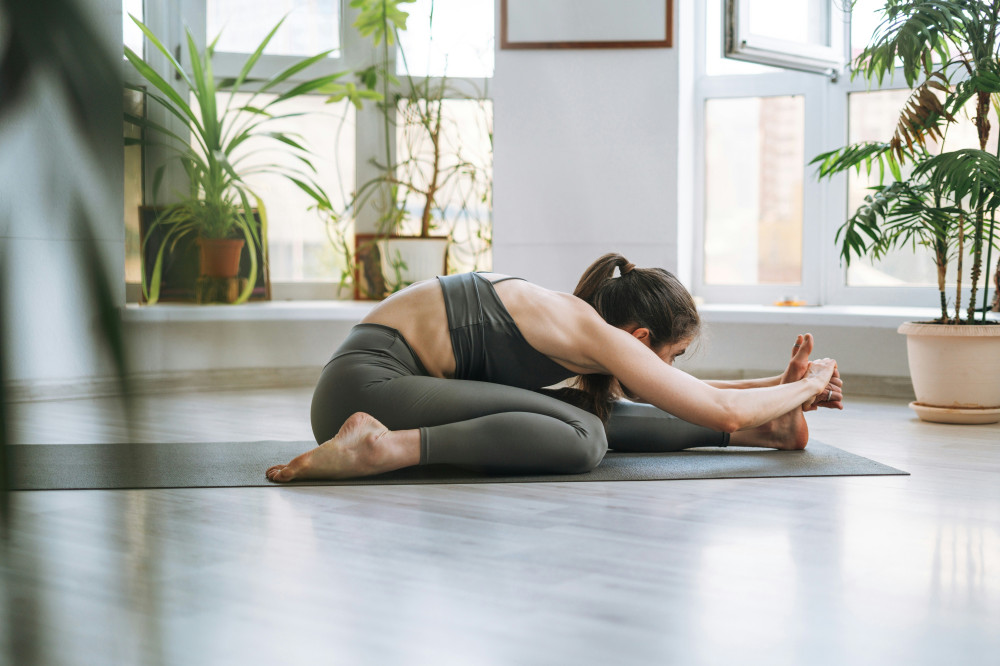
In yoga, the body is seen as a tool for awareness rather than an object to perfect. Through mindful movement, deep breathing, and focused attention, we cultivate a connection between the physical and the mental. The breath serves as a bridge between body and mind—it influences our nervous system, emotions, and thoughts.
This holistic view is central to yoga’s philosophy. When the body is balanced, the mind becomes calmer; when the mind is still, we can sense a deeper connection to our inner self—what yoga refers to as spirit or consciousness.
Læs også:

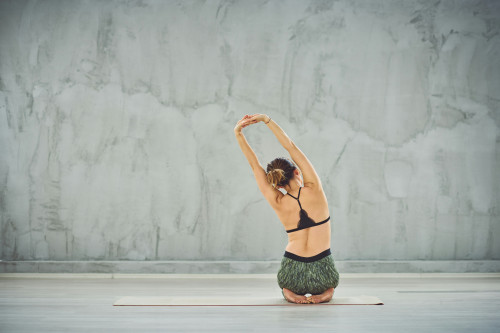
Yoga in Everyday American Life
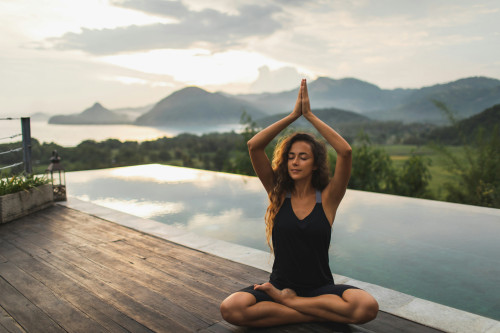
In a culture where stress, burnout, and digital distraction are common, yoga offers a counterbalance. You don’t need to retreat to a monastery or spend hours meditating to experience its benefits. Even a few minutes of mindful breathing or a short yoga sequence can make a noticeable difference.
Across the United States, yoga has found its way into workplaces, schools, and healthcare settings—not as a religion, but as a tool for well-being. Research increasingly supports what ancient practitioners already knew: yoga can reduce stress, improve focus, and enhance emotional resilience.
Living the Philosophy
Living according to the philosophy of yoga is not about following rigid rules but about bringing awareness into every aspect of life. It can mean eating mindfully, listening without judgment, or approaching yourself and others with compassion. In this way, yoga extends far beyond the mat—it becomes a way of being in the world.
The philosophy of yoga reminds us that the unity we seek is already within us. We simply need to create space to experience it. In a modern age often defined by separation and speed, yoga offers a quiet invitation to return to wholeness.
Læs også: