Why Skiing Is an Effective Full-Body Workout for Strength, Balance, and Endurance

Why Skiing Is an Effective Full-Body Workout for Strength, Balance, and Endurance
When winter arrives and the mountains turn white, skiing becomes more than just a seasonal pastime—it’s one of the most complete workouts you can do. Combining strength, balance, coordination, and cardiovascular endurance, skiing challenges your body in ways few other sports can. Add in the crisp mountain air and breathtaking scenery, and you’ve got a workout that’s as invigorating for the mind as it is for the body. Here’s why skiing is such an effective full-body workout and how you can make the most of it.
A Sport That Engages Every Major Muscle Group
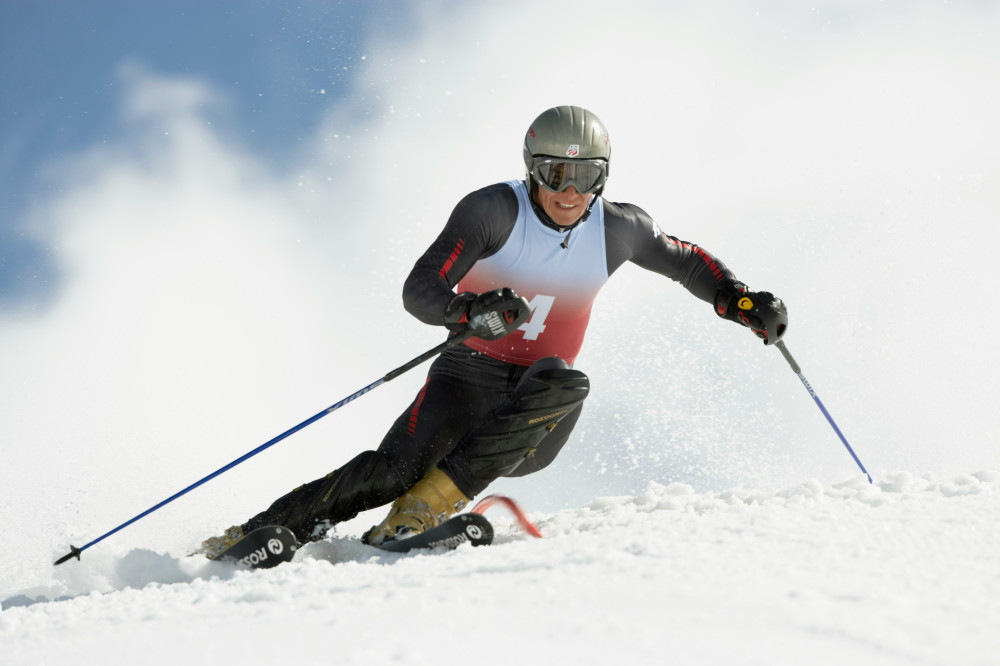
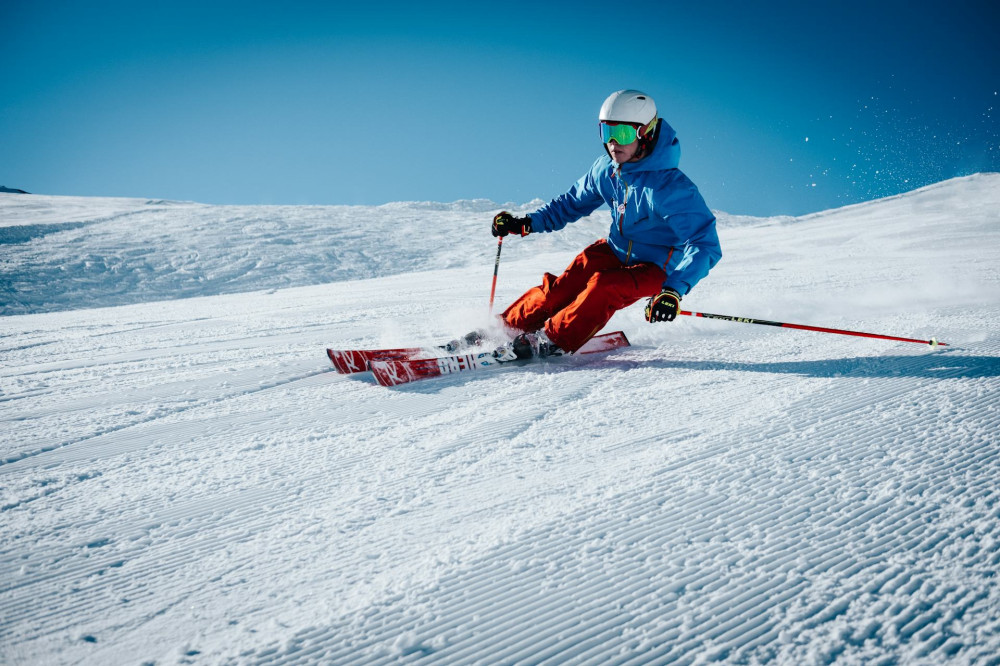
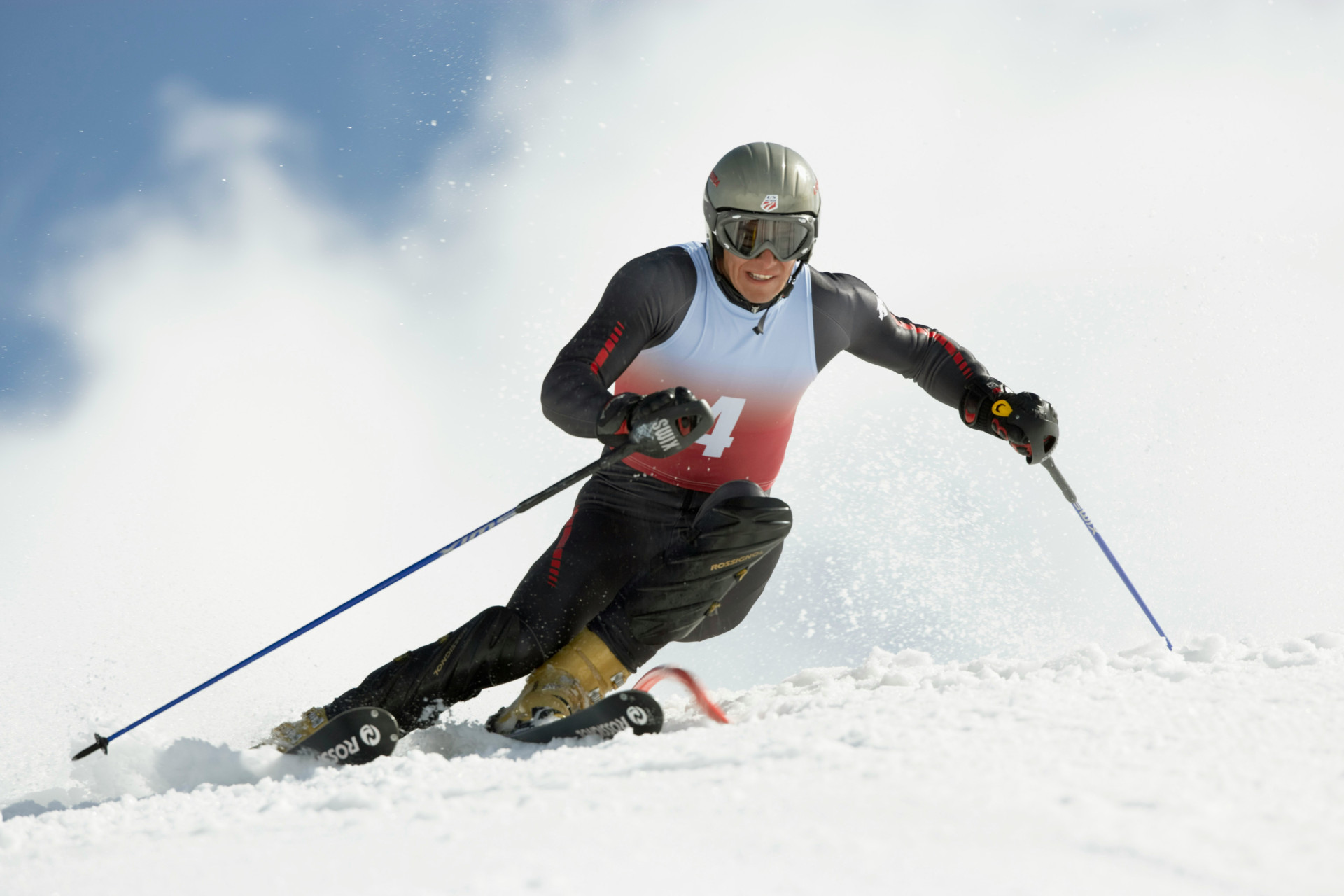
From your first turn down the slope, nearly every muscle in your body is at work. Your legs—especially your quads, glutes, and calves—do the heavy lifting, absorbing impact and controlling your movements. Your core muscles stabilize your torso, helping you maintain balance and posture, while your arms and shoulders assist with pole plants and turns.
This constant engagement means skiing doesn’t just build leg strength—it improves overall body coordination and stability. After a few days on the slopes, many skiers notice increased muscle tone and flexibility. The varied terrain and continuous adjustments required by changing snow conditions make skiing a natural, functional form of strength training.
Balance and Coordination in Motion
Skiing demands constant adaptation. The snow can shift from powdery to icy, and the terrain can change from steep descents to gentle flats in seconds. To stay upright and in control, you must continually adjust your stance, weight distribution, and timing.
These micro-adjustments train your balance and coordination at a deep level. The small stabilizing muscles around your ankles, knees, and hips become stronger and more responsive, which not only improves your skiing but also helps prevent injuries in everyday life. Few sports develop this kind of dynamic balance and body awareness.
A Surprising Cardio Challenge
Even though skiing often happens in short bursts—downhill runs followed by lift rides—it’s a surprisingly effective cardiovascular workout. Your heart works hard to supply oxygen to your muscles, especially at higher altitudes where the air is thinner. This makes skiing a form of interval training that boosts endurance and aerobic capacity.
Cross-country skiing, in particular, is one of the most demanding endurance sports in the world. It engages both upper and lower body muscles in continuous motion, keeping your heart rate elevated for extended periods. But even alpine skiing provides a solid cardio benefit thanks to the repeated cycles of exertion and recovery.
Læs også:

Mental Focus and Emotional Well-Being
Skiing isn’t just physical—it’s mental. Reading the terrain, anticipating turns, and reacting quickly require concentration and presence. This mental engagement helps sharpen focus and decision-making skills, while the rhythmic flow of skiing can feel almost meditative.
On top of that, spending time outdoors in natural light and fresh air has proven benefits for mood and stress reduction. The combination of physical exertion, scenic beauty, and the thrill of movement releases endorphins and fosters a sense of freedom and joy. It’s no wonder so many skiers describe the experience as both energizing and calming.
Preparing Your Body for Ski Season
Because skiing is so demanding, preparation is key. Strengthen your legs, core, and stabilizing muscles with exercises like squats, lunges, planks, and balance drills. Cardiovascular training—such as running, cycling, or rowing—will help build the endurance you need for long days on the mountain.
Flexibility and recovery are just as important. Stretching after each ski day can reduce soreness and lower your risk of injury. A few weeks of pre-season conditioning can make a big difference in your performance and enjoyment once you hit the slopes.
A Lifetime Sport
One of skiing’s greatest advantages is its adaptability. Whether you’re carving down steep runs in Colorado, gliding through cross-country trails in Vermont, or taking your first lessons in the Rockies, you can tailor the intensity to your fitness level and goals. It’s a sport that can grow with you, offering challenge and satisfaction at any age.
Ultimately, skiing delivers a rare combination of strength, balance, and endurance training—all wrapped in an experience that connects you with nature and community. So the next time you clip into your skis, remember: you’re not just having fun—you’re giving your whole body and mind a powerful, holistic workout.
Læs også: