Feel the Weight Transfer: The Key to Better Ski Control

Feel the Weight Transfer: The Key to Better Ski Control
When you watch an experienced skier carve down a mountain, it looks effortless. The turns flow, the speed is under control, and the balance seems natural. But behind that smooth motion lies one of the most important fundamentals in skiing: weight transfer. Mastering how you shift your weight is the key to better control, greater stability, and a more fluid ride—whether you’re a beginner or a seasoned skier.
What Is Weight Transfer?
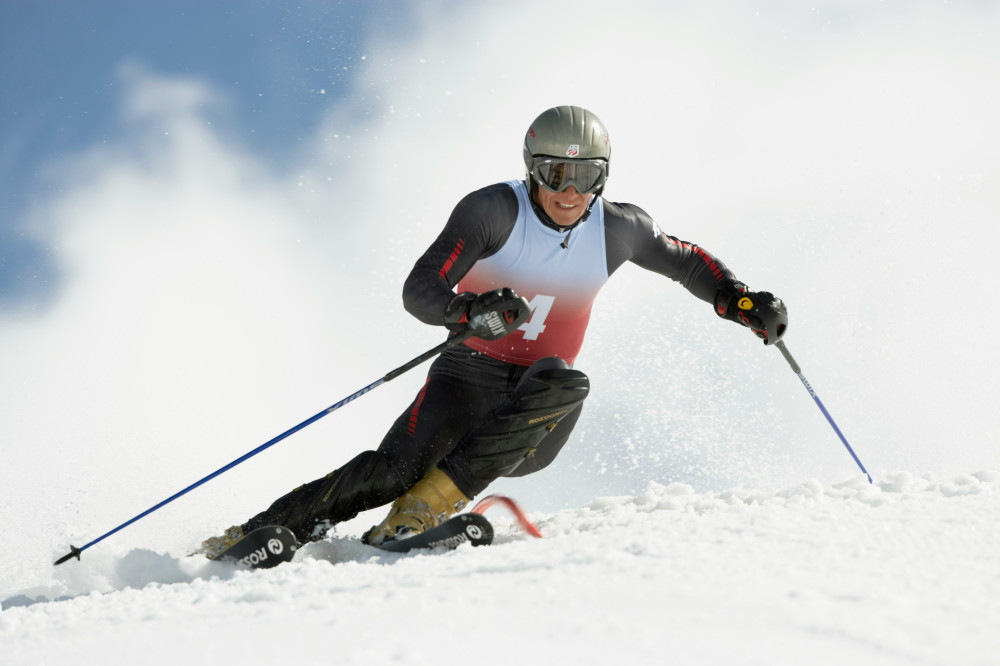
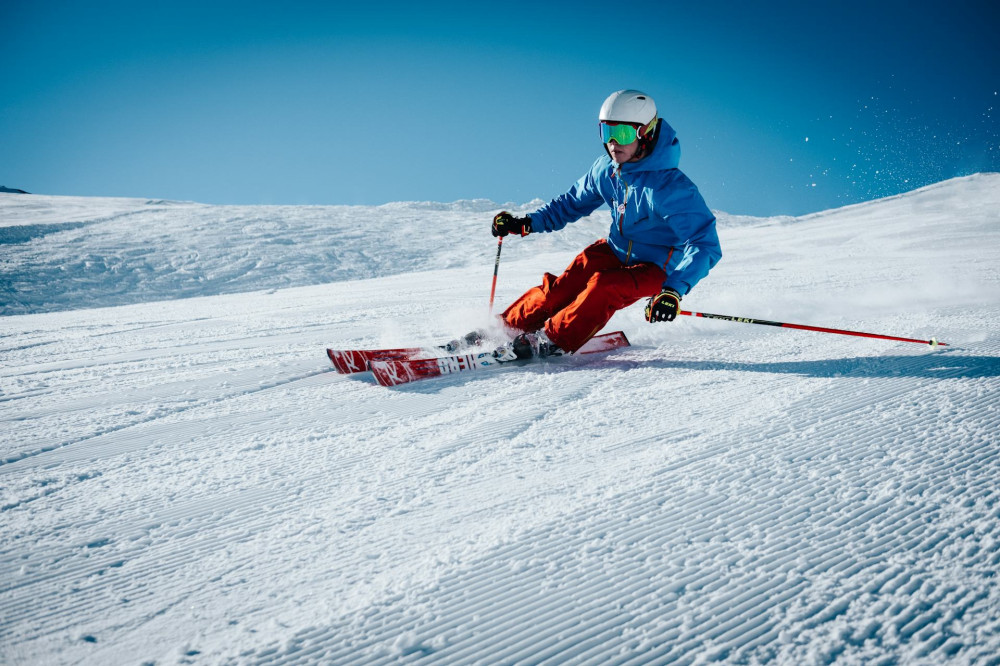
Weight transfer is all about how you distribute your body weight between your skis as you move. In every turn, you gradually shift your weight from one ski to the other—from the inside ski to the outside ski—to steer and maintain pressure on the snow. This movement allows you to carve turns, stay balanced, and manage your speed.
Many beginners tend to keep their weight centered between both skis, which makes it harder to steer precisely. Once you learn to feel and control your weight transfer, your movements become more dynamic, and your skis respond more naturally to the terrain.
Why Weight Transfer Matters
A good weight transfer does three essential things:
- Improves stability – You stand more securely because you’re engaging the ski’s edge effectively.
- Enhances control – You can adjust direction and speed with greater precision.
- Reduces fatigue – Your body moves more efficiently, using less energy to stay balanced.
In short: when your weight is where it should be, your skis work for you—not against you.
How to Practice Weight Transfer
Understanding the concept is one thing. Feeling it in your body is another. Here are a few drills you can try on the slopes:
- Ski on one ski at a time: Gently lift one ski while gliding and feel how your weight shifts to the other. Switch sides after a few yards.
- Exaggerate the movement: At first, lean a bit more onto your outside ski during turns to sense the difference.
- Use your hips: Weight transfer isn’t just about your legs. When you move your hips slightly toward the turn, your weight naturally follows.
- Find your rhythm: Think of skiing as a dance down the mountain—your weight shifts in sync with each turn, like a smooth pendulum motion.
Practice these drills on gentle terrain where you can focus on technique without worrying about speed or steep slopes.
Common Mistakes—and How to Fix Them
Even experienced skiers can fall into some classic traps:
- Too stiff: If your body is tense, your movements become jerky. Keep your knees and hips relaxed.
- Leaning back: It may feel safer, but it actually makes turning harder. Keep your weight centered over your feet.
- Poor timing: Weight transfer should happen gradually, not as a sudden shift. Let the movement flow with the rhythm of your turns.
Small adjustments can make a big difference. Often, it’s about becoming aware of how your body moves and trusting that your skis will carry you through the turn.
Læs også:

From Technique to Feel
Once you start to truly feel the weight transfer, your skiing experience changes. You stop “fighting” your skis and start working with them. Your turns become smoother, and you find that sense of flow—the feeling many skiers describe as pure freedom.
That’s when technique turns into intuition. You’re no longer thinking about how to move your weight—you’re simply feeling it.
A Step Toward Better Skiing
Whether you ski a few days a year or train regularly, weight transfer is a skill that can always be refined. It doesn’t just make you a better skier—it makes you a more confident one. When you master the balance between control and motion, the mountain opens up in a whole new way, and every run becomes more rewarding.
Læs også: