Track Your Progress in Target Shooting with Simple Records

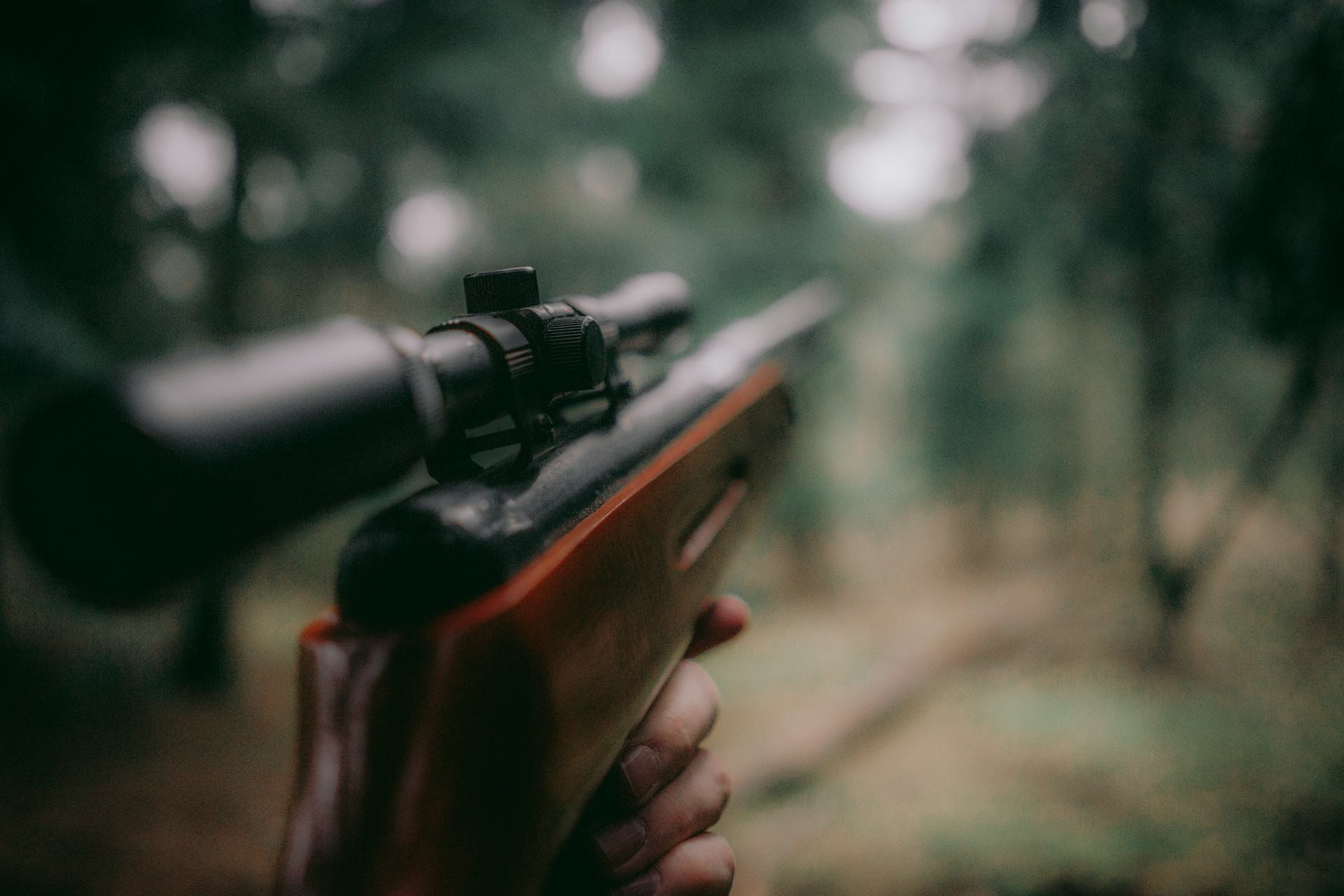
Track Your Progress in Target Shooting with Simple Records
Whether you shoot with a rifle, pistol, or bow, few things are as satisfying as seeing your accuracy improve over time. But without a way to track your results, it can be hard to know what’s really working—and where you still have room to grow. By keeping simple records of your practice sessions, you can get a clear picture of your progress and stay motivated to train with purpose.
Why Tracking Makes a Difference
Many shooters notice that some days everything clicks, while other days their shots scatter—and they’re not sure why. Recording your results and the conditions around each session helps you spot patterns. You might find that you shoot better at certain distances, with a specific type of ammunition, or under particular lighting or weather conditions.
Tracking isn’t just about numbers; it’s about understanding your own process. It gives you the insight to adjust your technique, equipment, and training routines based on real data rather than guesswork.
Start Simple—and Make It a Habit
You don’t need fancy software to get started. A notebook, spreadsheet, or a simple app on your phone will do. The key is consistency.
For each practice session, jot down:
- Date and location
- Firearm type and caliber
- Distance and number of shots
- Results (for example, average score or group size)
- Notes on weather, lighting, mood, and focus
After a few weeks, you’ll start to see trends. Maybe you shoot best after a good night’s sleep, or your accuracy drops when you change your grip or sight settings.
Use Photos and Targets as Visual Records
A picture often tells more than numbers alone. Take photos of your targets after each session and store them with your notes. Over time, you’ll be able to see your shot groups tighten and your consistency improve.
Some shooters use digital targets or apps that automatically record shot placement. These tools can be helpful, but the most important thing is understanding what the data tells you—and using it to guide your training.
Set Realistic Goals
Once you have a record of your results, you can start setting goals such as:
- Improving your average score by 5% over three months
- Reducing your group size at 25 yards by half an inch
- Maintaining a steady rhythm in competitions without major fluctuations
Your goals should be specific and measurable, but also realistic. Overly ambitious targets can lead to frustration, while small, achievable milestones build confidence and motivation.
Review and Adjust Regularly
Tracking only helps if you use the information. Review your notes regularly and ask yourself:
- What went well during my best sessions?
- What changed when my results dipped?
- Are there patterns related to time of day, equipment, or technique?
By reflecting on your data, you can plan your next training sessions more effectively. Maybe you need to focus on breathing, trigger control, or stance—or perhaps a small sight adjustment will make all the difference.
Læs også:
Make It Part of Your Routine
Recording your sessions might seem time-consuming at first, but once it becomes a habit, it takes just a few minutes. Many shooters find that it actually improves their focus, because it encourages them to be more mindful of what they’re doing.
Try ending each session with a quick note: What worked today? What will I try next time? This turns your record-keeping into an active learning tool rather than just an archive.
An Investment in Your Growth
Tracking your progress in target shooting isn’t about control—it’s about insight. When you can see how small changes affect your results, your training becomes more meaningful. You’ll know your effort is paying off, and you’ll have concrete proof of your improvement.
With simple records, you gain a tool that helps you become a more aware, focused, and motivated shooter. It’s an investment in your own development—shot by shot.
Læs også: