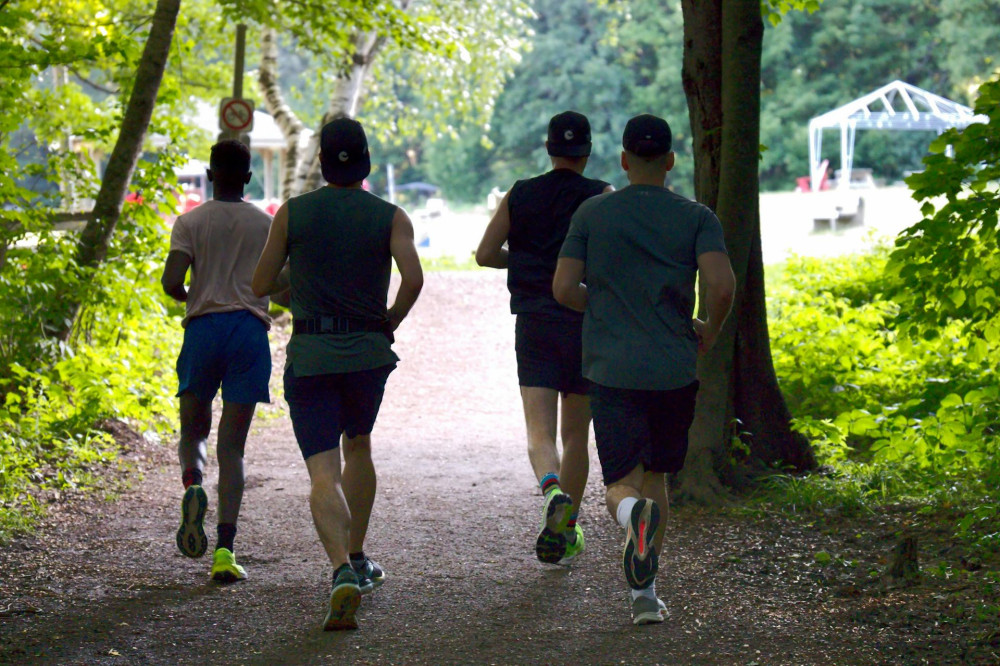
Shin and Heel Pain: When Running Style and Training Habits Matter


Shin and Heel Pain: When Running Style and Training Habits Matter
Many runners know the feeling: a dull ache along the front of the shin or a sharp pain under the heel that makes every step uncomfortable. Shin and heel pain are among the most common running injuries—and they rarely appear without reason. Often, they’re the result of a combination of running mechanics, training volume, and footwear. The good news is that with the right knowledge, you can both prevent and manage these issues.
When Your Body Sends a Warning
Shin pain—often referred to as shin splints or medial tibial stress syndrome—usually stems from overuse of the muscles and tendons along the front or inner side of the shinbone. It often appears when training intensity or mileage increases too quickly, or when you switch from softer to harder surfaces. Heel pain, on the other hand, is frequently caused by plantar fasciitis, an irritation of the thick band of tissue that runs from the heel to the toes.
Both types of pain are your body’s way of saying, “Slow down.” Ignoring these signals can lead to more serious injuries that may require weeks or even months away from running.
Running Form and Foot Strike Matter
How your foot hits the ground plays a major role in how stress is distributed through your legs. Runners who land heavily on their heels experience greater impact forces through the heel and shin. Conversely, forefoot or midfoot strikers place more demand on the calf muscles, which can increase tension on the tendons around the shin.
A gait analysis can provide valuable insight into your running mechanics. Many specialty running stores and physical therapy clinics in the U.S. offer video gait assessments to identify whether you overpronate (roll inward) or supinate (roll outward). Small adjustments in form or footwear can make a big difference in comfort and injury prevention.
Training Habits: Slow and Steady Wins
One of the most common causes of shin and heel pain is ramping up training too quickly. The classic guideline—don’t increase your weekly mileage by more than about 10 percent—is still a good rule of thumb. Your muscles, tendons, and bones all need time to adapt to new levels of stress.
Variety also helps. Mix up your running surfaces, and include cross-training activities like cycling, swimming, or strength training. This reduces repetitive strain and gives your body a chance to recover while maintaining fitness.
Footwear and Surfaces: More Than Just Comfort
The right pair of running shoes is an investment in injury-free training. Shoes that lack adequate support can lead to overpronation, while overly stiff shoes may increase impact forces. It’s worth visiting a professional running store for a fitting and replacing your shoes every 300–500 miles, depending on wear and your running style.
Surface choice matters too. Pavement delivers more impact than trails or tracks. If most of your runs are on hard surfaces, try to include a few runs each week on softer terrain to reduce stress on your legs and feet.
Strength and Mobility: The Overlooked Keys
Many runners focus on mileage but neglect strength and mobility work. Strong calves, hips, and core muscles help stabilize your body and distribute forces more evenly. Exercises like calf raises, single-leg balance drills, and hip strengthening can go a long way toward preventing shin and heel pain.
Flexibility and mobility are equally important. Tight calf muscles can increase tension on the tissues around the shin and heel. A short daily routine of stretching your calves and the bottom of your feet can make a noticeable difference.
Læs også:




When Pain Has Already Set In
If pain has already developed, it’s important to act early. Cut back on training and allow your body to rest. Ice, gentle stretching, and light massage can help relieve symptoms. If the pain persists, consult a physical therapist or sports medicine specialist who can identify the underlying cause and design a personalized recovery plan.
The key is not to push through the pain—it will only prolong healing. Use the downtime to work on strength, flexibility, and running form so you can return stronger and more resilient.
Running Without Pain: A Realistic Goal
Shin and heel pain don’t have to be part of your running journey. By paying attention to your running form, building up gradually, and choosing the right footwear, most runners can avoid these common injuries. Listen to your body, and remember that rest is part of training—not a setback.
When you find the right balance between effort and recovery, running becomes what it’s meant to be: a source of energy, joy, and freedom.
Læs også: