Recovery or Laziness? Learn to Tell the Difference


Recovery or Laziness? Learn to Tell the Difference
Taking a break can feel completely natural — yet also something you have to justify. In a culture that celebrates productivity and hustle, it’s easy to confuse genuine recovery with simple laziness. When is your body asking for rest, and when is it just your motivation that’s lagging? Here’s how to tell the difference — and how to make your downtime work for you.
Your Body Needs Recovery — Not Constant Pressure
Recovery is an active part of any fitness routine. When you run, lift weights, or do any kind of exercise, you break down muscle fibers and deplete energy stores. It’s during rest that your body rebuilds itself — stronger than before. Without enough recovery, you risk overtraining, injury, and declining performance.
Common signs that you need recovery include:
- Persistent fatigue, even after a full night’s sleep
- Muscle soreness that doesn’t fade after a few days
- Lack of motivation to work out
- Unexplained drops in performance
Ignoring these signals isn’t a sign of discipline — it’s a shortcut to burnout. Recovery isn’t laziness; it’s what allows your body to adapt and improve.
Laziness — When Rest Becomes an Excuse
Laziness creeps in when rest stops serving a purpose and becomes a habit. Maybe you skip your workout not because your body needs it, but because the couch feels more inviting than your running shoes. Everyone experiences dips in motivation, but the key is how you respond to them.
A good question to ask yourself is: Why am I skipping my workout today?
- If the answer involves physical exhaustion, soreness, or lack of sleep, it’s recovery.
- If it’s about procrastination, excuses, or “just not feeling like it,” it’s probably laziness.
Recognizing the difference takes honesty — and that honesty is essential for building a sustainable fitness mindset.
Active Recovery — The Sweet Spot
Recovery doesn’t always mean doing nothing. In fact, light movement can help your body bounce back faster. This is called active recovery, and it might include:
- A gentle walk or bike ride
- Stretching or yoga
- Easy swimming
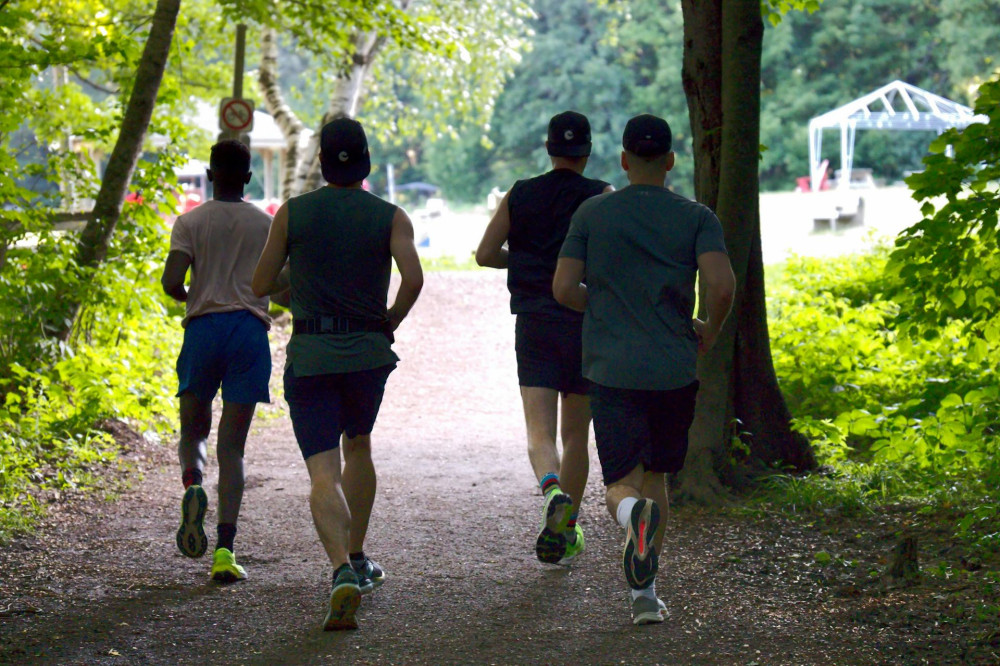
- A relaxed jog without focusing on pace
These activities boost circulation, flush out waste products, and keep your body moving without overloading it. They also help clear your mind and restore motivation.
Listen to Your Body — and Plan Your Rest
One of the best ways to avoid confusing recovery with laziness is to schedule rest days in advance. When rest is part of your plan, it doesn’t feel like failure — it feels like progress.
Pay attention to your sleep, nutrition, and stress levels, too. Poor sleep, irregular eating, or constant tension can all signal that your body needs more recovery. On the other hand, steady energy and good mood are signs you’re ready to push again.
Mental Recovery — The Overlooked Element
Recovery isn’t just physical. Your mind needs breaks, too. Many athletes and fitness enthusiasts lose motivation when training becomes repetitive or overly demanding. Mental recovery can be the key to staying engaged.
Try mixing up your workouts, changing your route, training with a friend, or taking a week to exercise without tracking your stats. Sometimes it’s not your muscles but your mind that needs to breathe.
Læs også:



Find Your Balance
The best results come from balancing effort and rest. Too much pressure leads to exhaustion — too little challenge leads to stagnation. Learning to listen to your body and distinguish between recovery and laziness is a skill that develops over time.
So next time you’re tempted to skip your workout, ask yourself: Is my body asking for rest — or is my comfort zone talking? The answer will often tell you exactly what you need most.
Læs også: