Recovery – The Body’s Overlooked Superpower

Recovery – The Body’s Overlooked Superpower
In a culture that celebrates hustle, productivity, and personal bests, recovery often gets pushed to the sidelines. We associate progress with effort, sweat, and intensity—but the real transformation happens when we rest. Recovery isn’t laziness; it’s an active, biological process where the body repairs, rebuilds, and adapts. It’s the quiet phase that makes you stronger, sharper, and more resilient.
What Happens When We Recover?
Every workout, long workday, or stressful week takes a toll on the body. Muscles experience microscopic damage, energy stores are depleted, and stress hormones rise. During recovery, the opposite occurs: tissues repair, energy is restored, and the nervous system recalibrates. This is when the body adapts to the challenges you’ve placed on it—becoming fitter, faster, and more capable.
Recovery isn’t just about lying on the couch. It’s a complex physiological process that depends on sleep, nutrition, hydration, and mental balance. Without enough recovery, even the best training plan can lead to burnout, injury, or loss of motivation.
Sleep – The Foundation of Recovery
Sleep is the body’s most powerful recovery tool. During deep sleep, growth hormone is released, stimulating muscle repair and cell regeneration. Meanwhile, the brain processes information, consolidates memory, and resets the nervous system.
Most adults need 7–9 hours of quality sleep each night. Consistency matters: a dark, cool bedroom, a regular bedtime, and limited screen time before bed can make a big difference. For those training intensely or managing high stress, a short nap during the day can also boost recovery and alertness.
Active Recovery – Movement That Heals
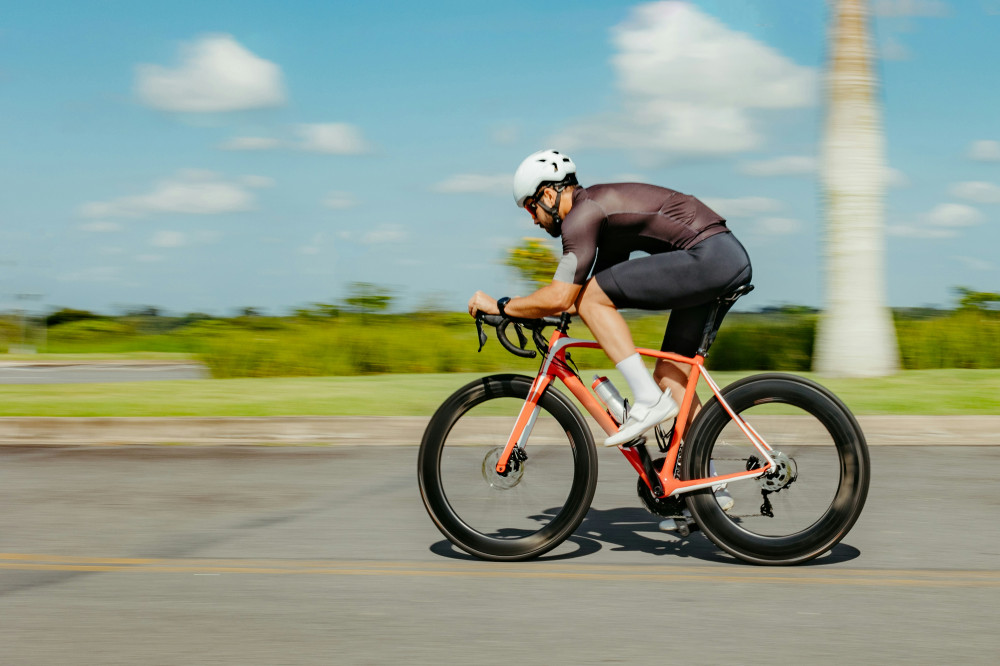
Recovery doesn’t mean complete stillness. Gentle movement can actually speed up the healing process by increasing blood flow and helping remove waste products from muscles. A light bike ride, a walk, or gentle stretching can do wonders.
Many athletes incorporate yoga, foam rolling, or easy swimming into their recovery routines. The key is to move in ways that feel restorative, not demanding. Active recovery keeps the body supple and the mind engaged without adding strain.
Nutrition – Fuel for Rebuilding
After physical exertion, the body needs the right nutrients to rebuild. Protein supports muscle repair, while carbohydrates replenish glycogen stores. A balanced meal or snack containing both within a couple of hours after exercise can accelerate recovery.
Hydration is equally important. Even mild dehydration can slow down the body’s repair processes. Water is usually sufficient, but after long or sweaty sessions, drinks with electrolytes can help restore balance.
Mental Recovery – Rest for the Mind
The body and mind are deeply connected. Chronic stress, lack of sleep, and constant stimulation can keep the body in a state of tension, preventing full recovery. Mental rest is therefore just as vital as physical rest.
Meditation, deep breathing, time outdoors, or simply unplugging from screens can help lower stress hormones and promote calm. When the mind relaxes, the body follows—creating the ideal conditions for healing and growth.
Listening to Your Body
In a fast-paced world, tuning in to your body’s signals can be challenging. Fatigue, soreness, irritability, or declining performance are often signs that you need more rest. It takes courage to slow down, but doing so is an investment in long-term progress.
Schedule rest days as intentionally as you plan workouts or work projects. They’re not a sign of weakness—they’re a strategy for strength. Recovery is what allows you to keep showing up at your best.
Læs også:



Recovery as a Lifestyle
Ultimately, recovery is about balance—the rhythm between effort and ease, action and stillness. When you learn to prioritize recovery, you don’t just improve your performance; you enhance your overall well-being. You gain more energy, better focus, and a stronger, healthier body.
The human body is built to perform, but also to restore. When you give it the time and space to do its work, it reveals its most underrated superpower: the ability to rebuild itself.
Læs også: