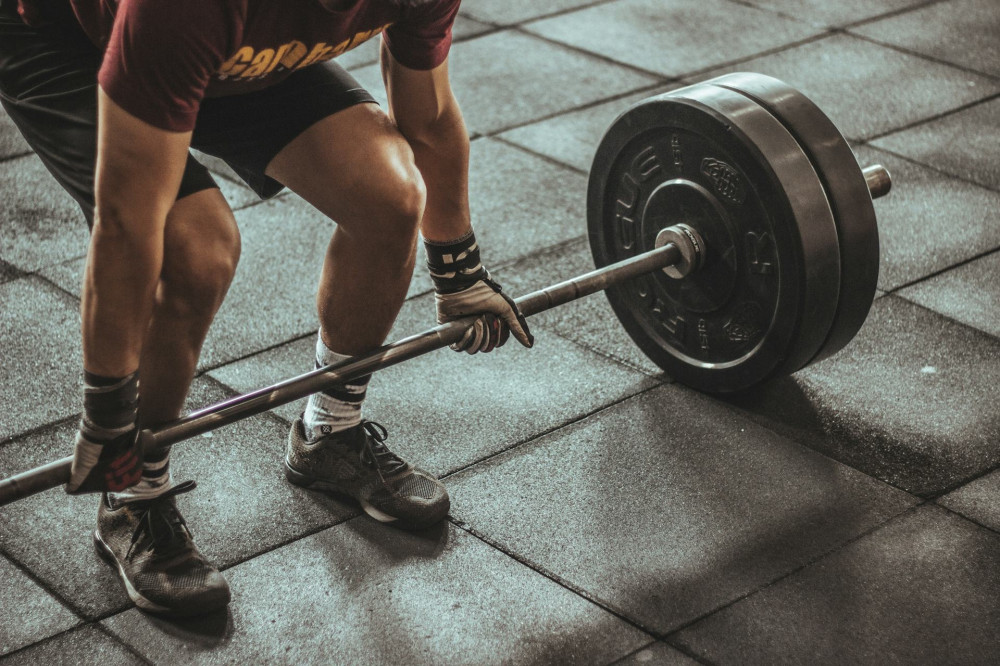
Macronutrients and Exercise: How Carbohydrates, Proteins, and Fats Affect Your Performance


Macronutrients and Exercise: How Carbohydrates, Proteins, and Fats Affect Your Performance
When it comes to exercise, your performance isn’t determined only by how hard you train or how long you go—it’s also shaped by what you eat. Your body needs the right fuel and building blocks to perform at its best, and that’s where the macronutrients—carbohydrates, proteins, and fats—come in. But how exactly do they influence your workouts, and how can you find the right balance?
Carbohydrates – The Body’s Primary Fuel
Carbohydrates are your body’s preferred source of energy, especially during high-intensity exercise. When you eat carbs, they’re broken down into glucose and stored in your muscles and liver as glycogen. During workouts—whether you’re running, cycling, or lifting weights—your body taps into these glycogen stores for quick energy.
When glycogen levels are full, you can train harder and longer. But when they’re depleted, fatigue sets in quickly, and performance drops. That’s why it’s important to consume carbohydrates both before and after exercise—before to fuel your workout, and after to replenish what you’ve used.
Good carbohydrate sources include whole grains, fruits, vegetables, and legumes. Try to limit refined sugars and highly processed carbs, which can cause quick spikes and crashes in blood sugar.
Proteins – The Building Blocks of Muscle
Protein is essential for building and repairing muscle tissue. During exercise, small amounts of muscle fibers break down, and it’s during recovery that they rebuild—stronger than before. Protein plays a key role in this process.
Consuming protein evenly throughout the day helps maintain muscle mass and supports recovery. After a workout, your muscles are especially receptive to nutrients, so a combination of protein and carbohydrates can help speed up repair and restore glycogen levels.
Excellent protein sources include lean meats, poultry, fish, eggs, dairy products, beans, lentils, and nuts. For vegetarians and vegans, combining different plant-based proteins—like beans and rice—can ensure you get all the essential amino acids your body needs.
Fats – The Often Overlooked Energy Source
Fats have long been misunderstood, but they’re vital for energy metabolism, hormone production, and nutrient absorption. During longer, lower-intensity activities—like hiking, cycling, or steady-state cardio—your body relies more heavily on fat for fuel.
Healthy fats, especially unsaturated ones, help maintain steady energy levels and support the absorption of fat-soluble vitamins (A, D, E, and K). You can find them in foods like avocados, nuts, seeds, olive oil, and fatty fish such as salmon and trout.
The key isn’t to eat a lot of fat, but to choose the right kinds. Too much saturated or trans fat can negatively affect heart health, while unsaturated fats can have the opposite effect.
Læs også:



Timing and Balance – The Key to Optimal Performance
It’s not just about how much of each macronutrient you eat—it’s also about when you eat them. A balanced meal with carbohydrates and some protein two to three hours before exercise provides energy and helps prevent fatigue. After your workout, eating within an hour supports recovery and muscle repair.
For most people, the goal isn’t to follow a strict diet but to find a balance that fits their training volume and goals. Endurance athletes, for example, may need more carbohydrates, while strength trainers might benefit from a higher protein intake.
Listen to Your Body – and Adjust as Needed
No two bodies are the same, and what works for one person might not work for another. Some people perform best with a higher-carb diet, while others feel better with more healthy fats. The most important thing is to pay attention to how you feel: Do you have enough energy for your workouts? Are you recovering well? Do you feel satisfied and balanced?
By experimenting with the right mix of carbohydrates, proteins, and fats, you can discover the nutrition strategy that helps you perform your best—both in your workouts and in everyday life.
Læs også: