Powerful and Precise Strikes: Learn the Proper Technique Step by Step


Powerful and Precise Strikes: Learn the Proper Technique Step by Step
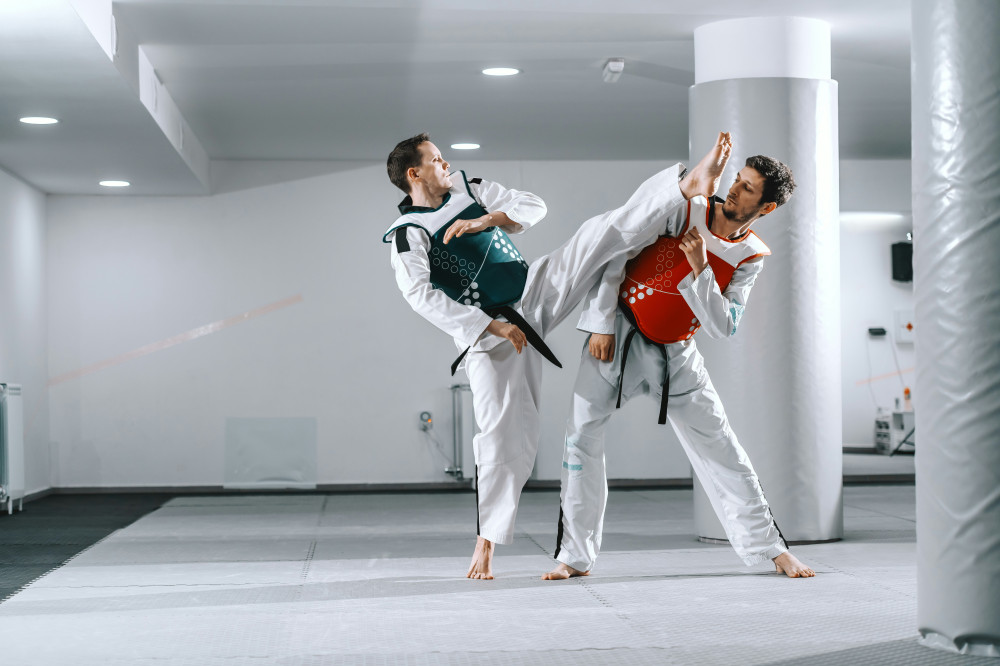
A powerful and precise strike isn’t just about raw strength—it’s about technique, timing, and body control. Whether you’re training in boxing, karate, taekwondo, or another martial art, the fundamentals are the same: an effective strike starts from the ground, travels through your body, and finishes with your hand. Here’s a step-by-step guide to building a strike that combines strength, speed, and accuracy.
1. Get Your Stance Right – Balance Is the Foundation
Everything begins with your stance. A stable yet flexible base allows you to generate power without losing balance.
- Feet: Stand shoulder-width apart, with one foot slightly ahead of the other. If you’re right-handed, your left foot should be forward (and vice versa for left-handers).
- Weight: Distribute your weight evenly, but keep a bit more on the balls of your feet so you can move quickly.
- Knees: Keep them slightly bent, and stay relaxed—tension slows you down.
A solid stance prepares you to attack or defend and forms the base for every movement that follows.
2. Use Your Whole Body – Not Just Your Arm
One of the most common beginner mistakes is thinking that a punch comes from the arm alone. In reality, the power starts in your legs and hips.
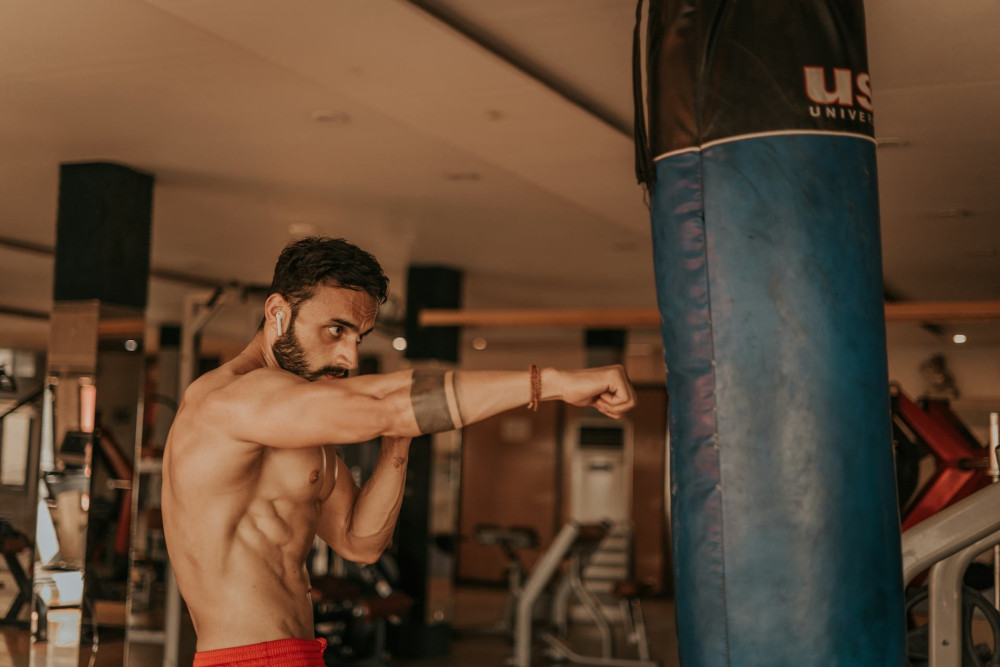
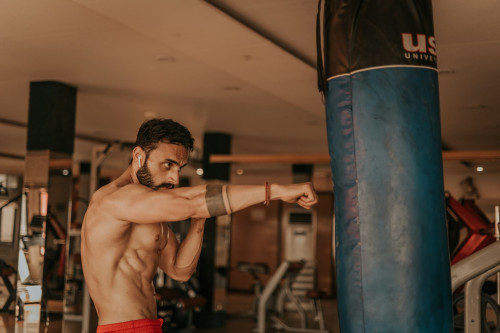
When you strike, rotate your hips in the direction of the punch and let that motion travel up through your torso. Your arm simply follows as an extension of that rotation. Think of it as channeling energy from the ground, through your body, and out through your fist—that’s how you generate maximum power efficiently.
3. Form the Fist Correctly
A poorly formed fist can lead to injuries, especially to your wrist and fingers. Here’s how to do it right:
- Curl your fingers tightly into your palm.
- Place your thumb across the outside of your fingers—never tucked inside.
- Keep your wrist straight so the force transfers directly through your arm.
When you make contact, aim to strike with your first two knuckles (index and middle finger). They provide the most stable surface for impact.
Læs også:

4. Breathe and Find Your Rhythm
An effective strike also depends on timing and breathing. Exhale sharply at the moment of impact—this helps tighten your core and stabilize your body. Avoid holding your breath, as it drains your energy and stiffens your movements.
Many trainers encourage students to make a short sound or breath when striking—not for show, but to ensure proper breathing and focus.
5. Train Precision Before Power
It’s tempting to hit hard right away, but precision should always come first. A well-placed strike with proper technique is far more effective than a wild swing.
Start slow, practicing in front of a mirror or on a heavy bag. Focus on your movement, hip rotation, and the path of your hand. Once your form is solid, gradually increase speed and power.
A great tip is to use target training—aim for a small spot on the bag instead of just hitting the surface. This sharpens your accuracy and control.
6. Combine Your Strikes – Learn to Flow
A single strike can be effective, but in sparring or self-defense, combinations are key. Once you’ve mastered one strike, start linking them together: jab, cross, hook, uppercut—in smooth, flowing sequences.
Practice moving your feet as you strike so you’re not stationary. A punch without movement loses both power and flexibility. Think of rhythm and timing—like a dance where every step and strike connects seamlessly.
7. Avoid Common Mistakes
Even experienced fighters can fall into habits that reduce the effectiveness of their strikes. Here are some to watch out for:
- Tensing your shoulders too much—it slows your motion.
- Forgetting to retract your hand after a punch—it leaves you open.
- Neglecting to use your legs and hips—you lose power.
- Overextending your arm—it increases the risk of injury.
Correct these habits early to build a strong, safe technique.
8. Strength and Flexibility – The Hidden Keys
A great strike requires not only technique but also a body that supports the movement. Train your core, hips, and shoulders with exercises like planks, medicine ball throws, and rotational drills. At the same time, work on flexibility, especially in your hips and shoulders, so you can move freely and quickly.
A strong yet flexible body gives you both power and control—and helps prevent injuries.
9. Mental Focus – Precision Starts in the Mind
A strike isn’t just physical. It demands concentration and presence. Before you strike, know why you’re striking and where you want to hit. Visualize the motion and train your focus so you can react quickly and accurately under pressure.
Many martial artists use short mental rituals—a breath, a glance, a thought—to center themselves before striking. That’s what separates a random punch from a controlled, purposeful attack.
10. Practice Makes Mastery
There’s no shortcut to a perfect strike. It takes repetition, patience, and feedback. Train regularly, and have a coach or partner observe your technique. Small adjustments in stance, hip movement, or hand position can make a huge difference.
Remember: strength without technique is wasted energy—but technique combined with strength is true power.
Læs også: