Martial Arts and Recovery: How Sleep and Nutrition Affect Your Training Results

Martial Arts and Recovery: How Sleep and Nutrition Affect Your Training Results
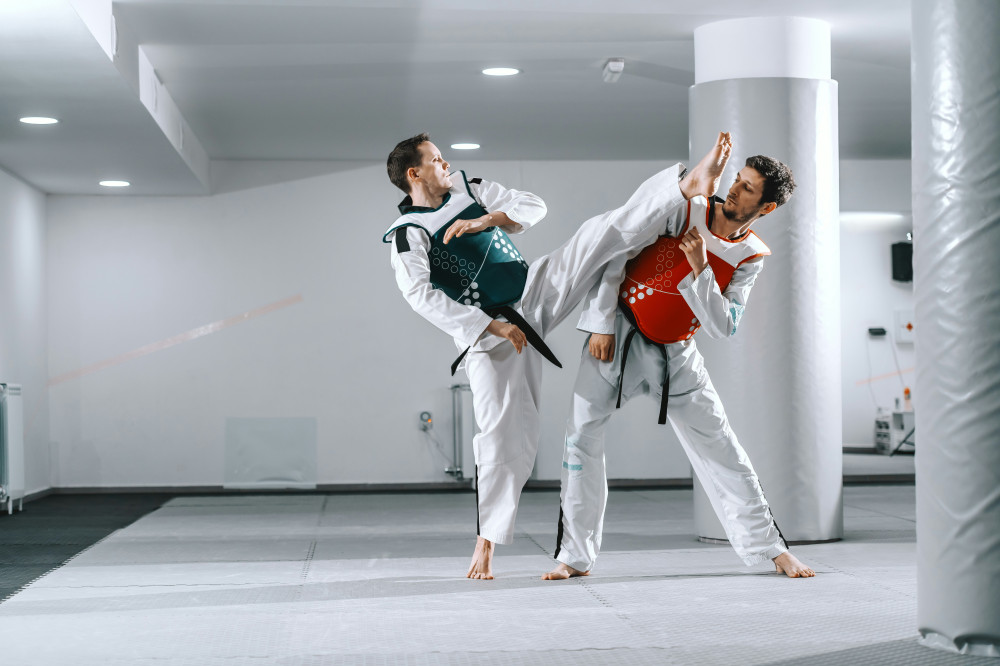
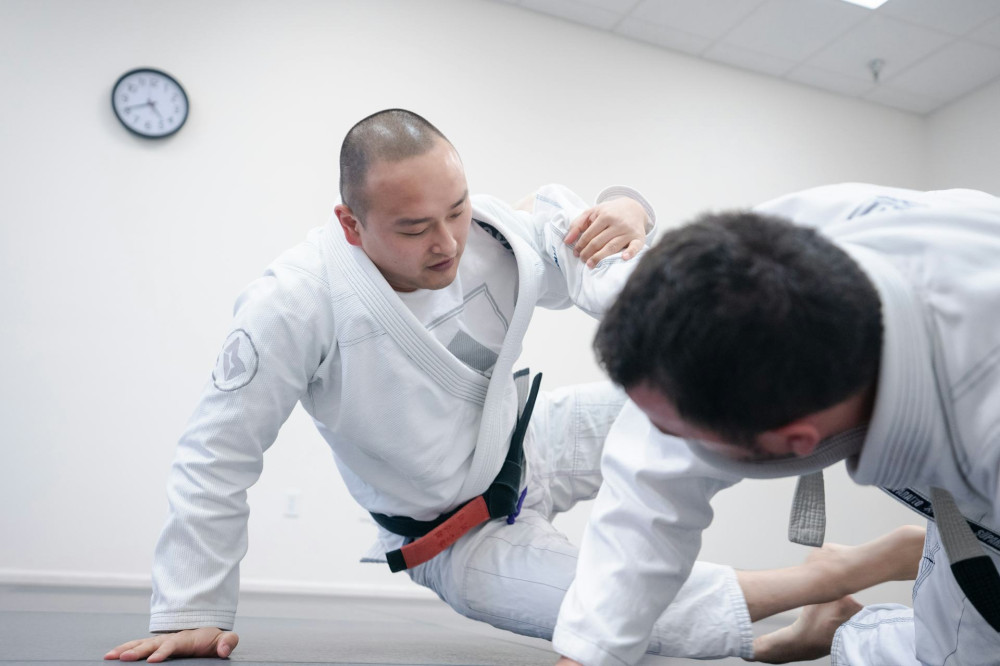
Martial arts are about more than technique, strength, and discipline — they’re also about how well you recover. Whether you practice karate, jiu-jitsu, taekwondo, or MMA, your ability to rest and rebuild determines how much progress you make. Sleep and nutrition play a central role in that process, and even small adjustments to your daily habits can make a big difference in your performance and overall well-being.
Sleep – Your Body’s Most Powerful Recovery Tool
When you sleep, your body goes into repair mode. Muscles rebuild, hormones balance, and your brain processes the day’s experiences. For martial artists who push their bodies through intense training, sleep isn’t just downtime — it’s part of the training itself.
How Much Sleep Do You Need?
Most adults need between 7 and 9 hours of sleep per night, but athletes often benefit from more. If you train hard several times a week, an extra hour or two can noticeably improve your energy and focus. Lack of sleep can slow your reaction time, reduce coordination, and increase your risk of injury — all of which can hold you back on the mat.
Building Better Sleep Habits
- Keep a consistent schedule – Go to bed and wake up at the same time every day, even on weekends.
- Limit screen time before bed – Blue light from phones and computers can interfere with melatonin production.
- Create a calm sleep environment – A dark, cool, and quiet room helps your body wind down.
- Listen to your body – If you’re tired, allow yourself a nap or a lighter training day.
Nutrition – Fuel for Performance and Recovery
A balanced diet is the foundation of effective recovery. It’s not just about eating enough — it’s about giving your body the right nutrients at the right times.
Protein for Muscle Repair
After training, your body needs protein to rebuild the muscle fibers that were broken down during exercise. Good sources include lean meats, fish, eggs, dairy, beans, and lentils. Aim for a meal or snack with 20–30 grams of protein within an hour after training to optimize recovery.
Carbohydrates for Energy
Martial arts demand explosive energy, and carbohydrates are your body’s main fuel source. Whole grains, fruits, and vegetables help replenish glycogen stores so you’re ready for your next session. Combining carbs with protein after training can further enhance recovery.
Healthy Fats and Micronutrients
Healthy fats from nuts, avocados, and fish support hormone balance and help reduce inflammation. Vitamins and minerals — especially iron, magnesium, and zinc — are essential for energy production and muscle repair. Eating a colorful variety of foods is the best way to ensure you’re getting everything your body needs.
Hydration – The Overlooked Factor
Even mild dehydration can significantly affect your performance. Losing just 2% of your body weight in fluids can lead to fatigue, poor concentration, and slower recovery. Drink water consistently throughout the day, and pay special attention to hydration before and after training. For longer or sweat-heavy sessions, electrolyte drinks can help replace lost minerals.
Balancing Training and Rest
Many martial artists have a tendency to push themselves hard — but more training isn’t always better. Overtraining can lead to fatigue, decreased performance, and a higher risk of injury. Plan your week with both intense and lighter days, and give your body time to recover.
Keeping a training journal can be a great tool. Track your sleep, energy levels, and mood to spot early signs of overtraining and make adjustments before problems arise.
Mental Recovery – The Missing Piece
Martial arts are as much a mental discipline as a physical one. Sleep and nutrition also affect focus, decision-making, and stress management. Practices like meditation, breathing exercises, and gentle stretching can help calm the mind and improve concentration — both before and after training. A balanced mental state makes it easier to learn new techniques and stay composed under pressure.
Læs også:

The Whole Picture Creates Results
Sleep, nutrition, and recovery aren’t extras — they’re essential parts of your training. When you give rest and nourishment the same priority as technique and strength, you’ll get more out of every session. The key is to give your body what it needs to perform — and to grow.
Læs også: