Mindful Eating: How Portion Sizes Help You Avoid Overeating and Support Your Fitness Goals

Mindful Eating: How Portion Sizes Help You Avoid Overeating and Support Your Fitness Goals
When you’re working toward your fitness goals, nutrition is just as important as your workouts. But even the healthiest foods can work against you if you eat too much of them. Portion sizes are one of the most overlooked yet powerful tools for managing your energy intake, preventing overeating, and fueling your body effectively. Here’s how mindful portion control can help you stay on track and feel your best.
Why Portion Sizes Matter
Most people focus on what they eat, but how much you eat is just as crucial. Your body needs enough energy to perform and recover, but consuming more calories than you burn—even from nutritious foods—can lead to weight gain and sluggishness. On the other hand, eating too little can leave you low on energy and make it harder to perform well during workouts.
Becoming aware of portion sizes helps you find the balance between nourishing your body and avoiding unnecessary excess.
Visualize Your Plate
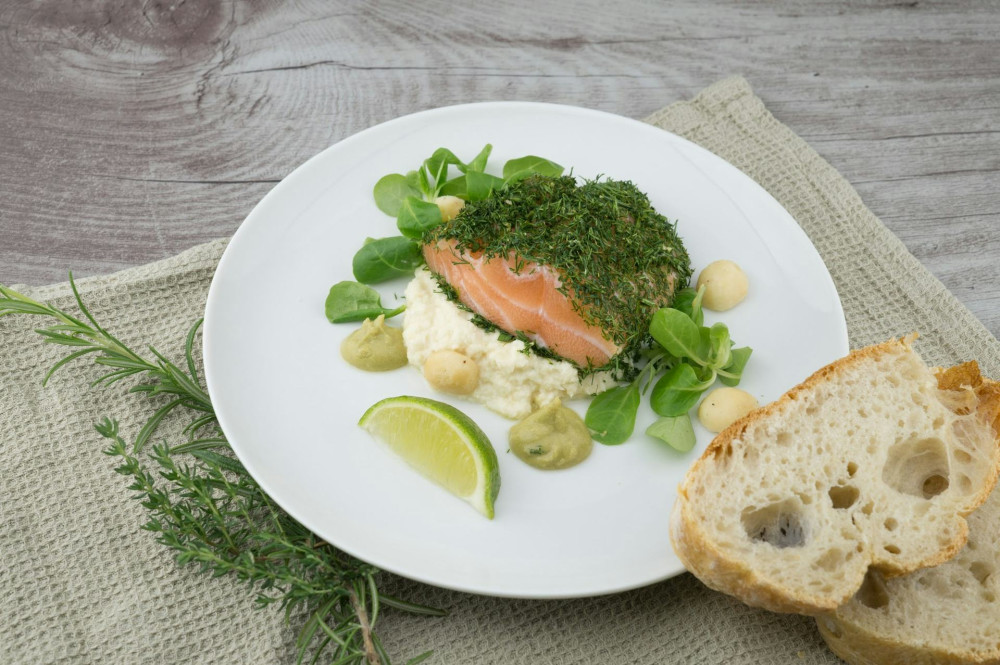
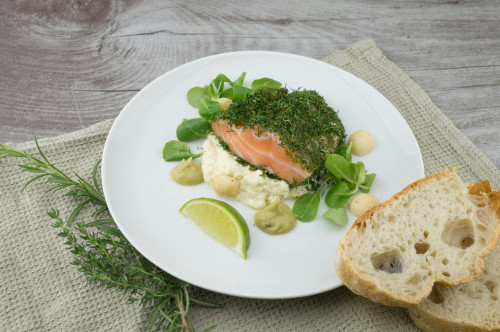
A simple way to manage portion sizes is to use the plate method. It’s a visual guide that helps you build balanced meals without counting every calorie.
- Half your plate: vegetables – they add volume, fiber, and nutrients with relatively few calories.
- One-quarter: protein – such as chicken, fish, eggs, beans, or tofu to support muscle repair and growth.
- One-quarter: carbohydrates – like brown rice, sweet potatoes, or whole-grain pasta to fuel your workouts.
- A small amount of healthy fats: such as olive oil, nuts, or avocado for essential fatty acids.
You can adjust this balance depending on your activity level. On training days, you might increase your carbs for extra energy; on rest days, focus more on vegetables and lean proteins.
Use Handy Portion Guides
You don’t need a food scale to eat mindfully. Your hands can serve as a built-in measuring tool that adjusts naturally to your body size.
- Protein: about the size of your palm.
- Carbohydrates: one cupped handful.
- Vegetables: two handfuls.
- Fats: about the size of your thumb.
This method makes portion control simple and flexible—perfect for when you’re eating out or on the go.
Læs også:
Practice Mindful Eating
Portion control isn’t just about numbers; it’s also about how you eat. Many people overeat because they eat too quickly or while distracted. Try slowing down, putting your fork down between bites, and paying attention to how your body feels.
It takes about 20 minutes for your brain to register fullness. Eating slowly gives your body time to send those signals, helping you stop when you’re satisfied rather than stuffed.
Adjust Portions to Match Your Training
Your portion sizes should reflect your activity level. On days with intense workouts, your body needs more fuel—especially carbohydrates and protein—to recover and rebuild. On lighter or rest days, you can scale back slightly and focus on nutrient-dense, lower-calorie foods like vegetables and lean proteins.
Think of it as energy matching: eat more when you move more, and a bit less when you’re less active.
Watch Out for Hidden Calories
Small extras can add up quickly. Dressings, oils, sugary drinks, and snacks often sneak in more calories than you realize. A couple of tablespoons of oil or a handful of nuts can easily tip your energy balance.
You don’t need to cut them out completely—just be mindful. Measure oils with a teaspoon instead of pouring freely, and portion snacks into a bowl instead of eating straight from the bag.
Make Portion Awareness a Habit
Like any healthy habit, mindful eating takes practice. Start small: use smaller plates, avoid eating in front of screens, and check in with how you feel after meals. Over time, portion awareness becomes second nature—and you’ll likely notice more energy, better workout performance, and a healthier relationship with food.
Mindful eating isn’t about restriction; it’s about giving your body exactly what it needs—no more, no less.
Læs også: