Long-Lasting Eating Habits: Steady Energy and Health for Everyday Active People

Long-Lasting Eating Habits: Steady Energy and Health for Everyday Active People
In a busy life filled with work, workouts, family, and social commitments, finding an eating pattern that provides lasting energy and supports good health can be a real challenge. Many people turn to quick fixes or strict diets, but those rarely last. Long-lasting eating habits are about balance, structure, and mindful choices—not about restriction or guilt. Here’s how you can build a way of eating that fuels your active lifestyle and keeps your energy steady all day long.
Eat for Energy, Not Just for Calories
If you’re active, food is more than just something to fill you up—it’s your body’s fuel. Instead of focusing only on calorie counts, think about where your energy comes from.
- Carbohydrates provide quick energy and are essential for your brain and muscles. Choose whole grains, fruits, and vegetables instead of refined sugars and white bread.
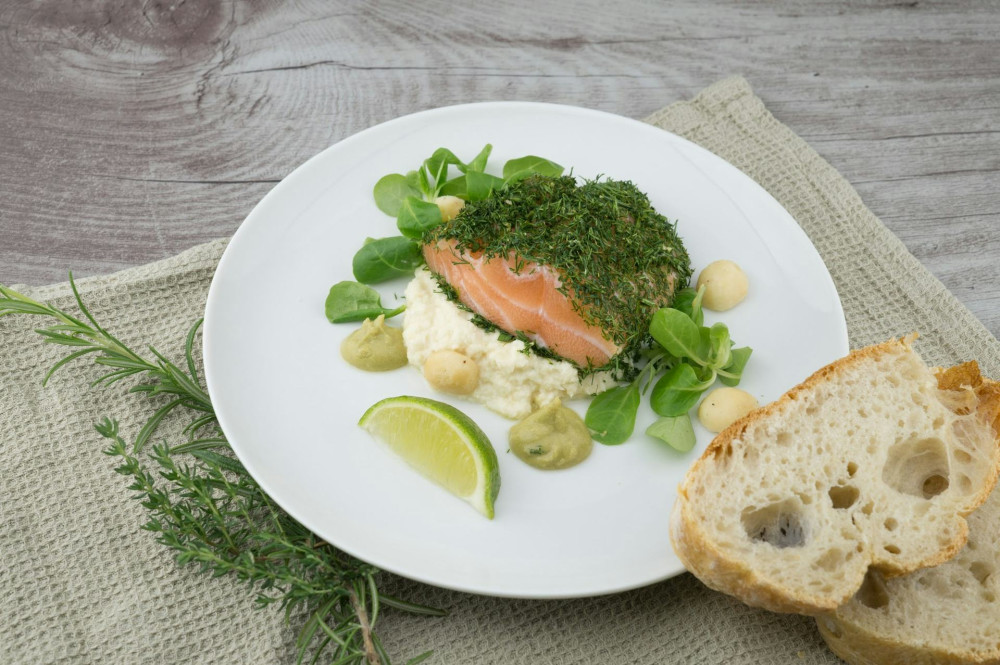
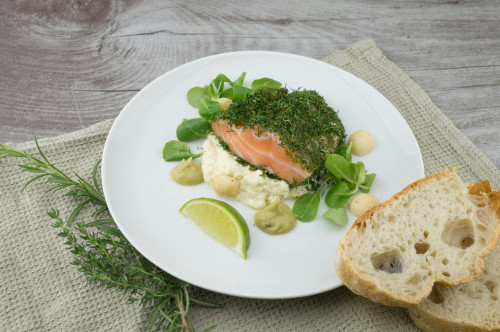
- Protein helps build and maintain muscle. Good sources include fish, eggs, lean meats, beans, and dairy products.
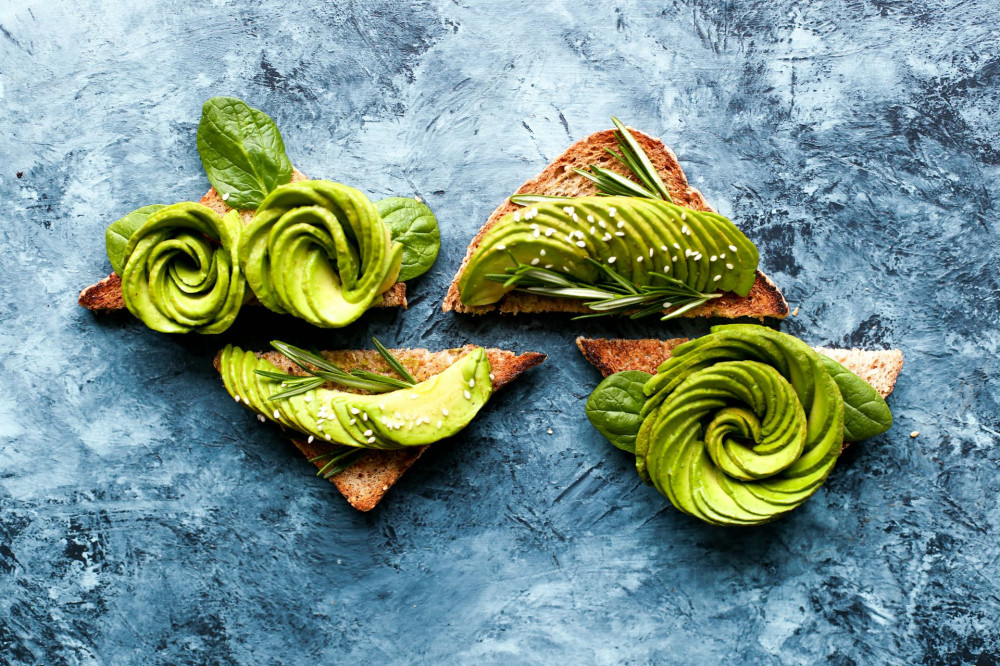
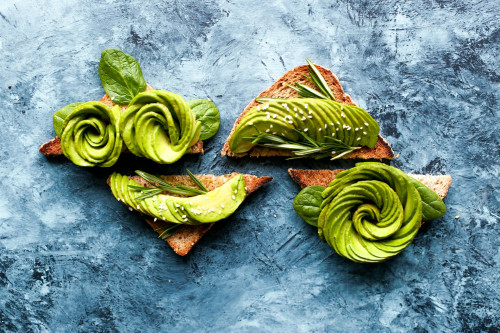
- Healthy fats from nuts, seeds, avocados, and olive oil help you feel full and support hormone balance.
A simple rule of thumb: include a mix of these three energy sources in every meal. This helps keep your blood sugar stable and your energy levels even throughout the day.
Planning Is the Key to Success
Sustainable eating doesn’t require perfection—it requires planning. When life gets hectic, it’s easy to grab whatever’s convenient if you haven’t prepared ahead. Spend a little time each weekend planning your meals, grocery shopping, and prepping a few dishes in advance.
- Create a meal plan with realistic recipes that fit your schedule.
- Keep healthy snacks on hand—like nuts, veggie sticks, or Greek yogurt—so you don’t crash mid-afternoon.
- Start your day with a balanced breakfast, such as oatmeal with fruit or whole-grain toast with eggs.
When you plan ahead, it’s easier to make good choices even when time is short.
Læs også:
Eat in Tune with Your Body
There’s no single “right” way to eat. Some people do well with three larger meals, others prefer several smaller ones. The key is to find a rhythm that fits your body and activity level.
Listen to your body’s signals: eat when you’re hungry, stop when you’re satisfied, and avoid eating out of boredom or habit. If you exercise regularly, you may need extra fuel before and after workouts—try a banana and yogurt before, and a protein-rich meal afterward.
Mindful eating also means enjoying your food. Sit down, eat slowly, and notice how your body feels. This not only improves digestion but also increases satisfaction.
Small Changes Make a Big Difference
Healthy living doesn’t have to mean drastic changes. Often, small adjustments add up over time. Try to:
- Swap soda for water or sparkling water.
- Add an extra serving of vegetables to dinner.
- Choose whole-grain bread instead of white.
- Cut back on processed foods and eat more “real” food.
When you make gradual changes, they’re easier to stick with—and you avoid the feeling of deprivation.
Balance Over Perfection
Long-lasting eating habits aren’t about being perfect. It’s completely fine to enjoy a slice of cake, a glass of wine, or a pizza night now and then. What matters most is what you do most of the time—not what you do once in a while.
Allowing room for enjoyment helps you avoid the all-or-nothing mindset where one “unhealthy” choice feels like failure. Instead, food becomes a natural, enjoyable part of life that supports your well-being without guilt.
Nutrition and Movement Go Hand in Hand
An active lifestyle depends on both good nutrition and regular movement. When you eat a balanced diet and get enough energy, you perform better—physically and mentally. At the same time, regular exercise helps your body use nutrients more efficiently.
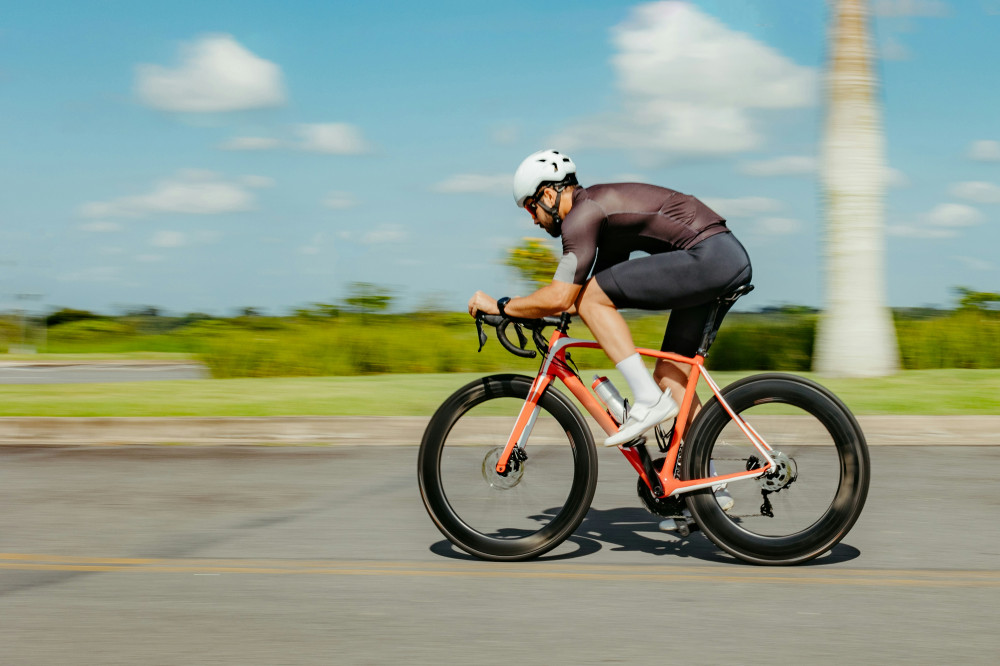
You don’t have to work out intensely every day. Find activities you enjoy—walking, cycling, strength training, or yoga—and make them part of your routine. When nutrition and movement work together, you’ll have more energy, better sleep, and a stronger body.
A Lifestyle That Lasts
Long-lasting eating habits aren’t a diet—they’re a lifestyle. It’s about creating routines you can live with, even when life gets busy. By planning ahead, listening to your body, and allowing flexibility, you can achieve steady energy, better health, and greater well-being.
The most important thing is to find a balance that works for you. When food becomes a natural part of an active, meaningful life, health stops being a goal—and becomes a way of living.
Læs også: