Which Recovery Method Works Best for You? Here’s How to Find Out

Which Recovery Method Works Best for You? Here’s How to Find Out
Recovery is one of the most overlooked parts of training — yet it’s also one of the most important. Whether you’re a runner, a weightlifter, or a weekend basketball player, your body gets stronger during rest, not during the workout itself. Still, there’s no single recovery method that works for everyone. Some people bounce back best with light movement, while others need complete rest and sleep. Here’s how to figure out which recovery approach fits you best.
Why Recovery Matters
When you train, you break down muscle fibers and deplete your body’s energy stores. It’s during recovery that your body rebuilds — stronger and more resilient than before. Without enough recovery, you risk fatigue, overtraining, and injury.
Recovery isn’t just about taking a day off. It’s about giving your body the right conditions to restore balance: sleep, nutrition, movement, and mental relaxation. That’s why it’s worth finding out what your body responds to best.
Active or Passive Recovery?
There are two main types of recovery: active and passive.
-
Passive recovery means complete rest — giving your body time to repair itself. That could be a full day off from training, a nap, or a quiet evening on the couch. This type of recovery is especially important after intense workouts or competitions when your muscles and energy systems need to rebuild.
-
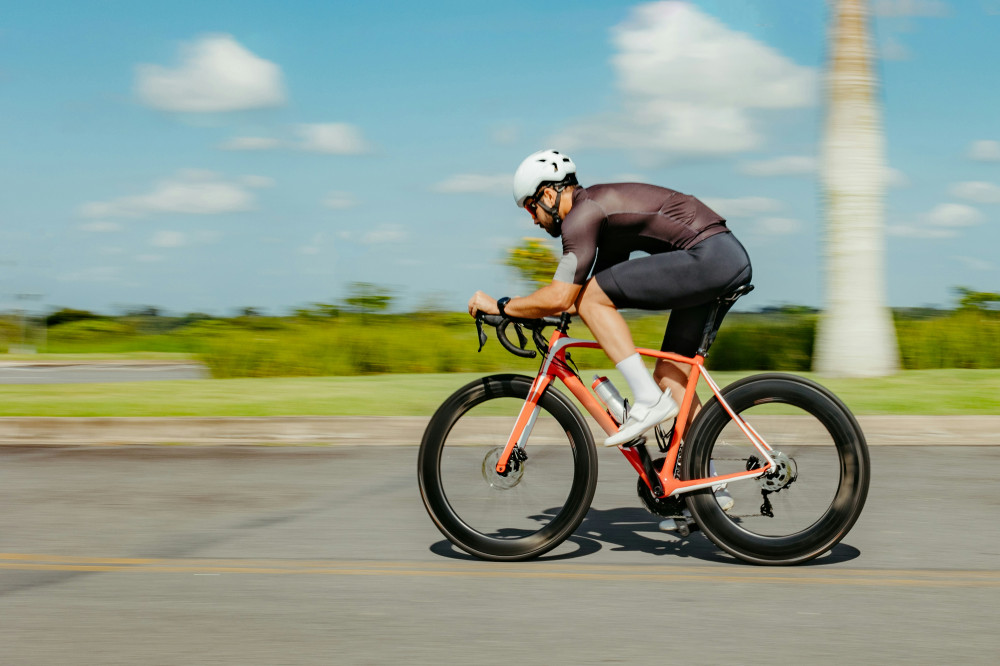
Active recovery involves gentle movement that boosts blood flow without adding more strain. Think of a light bike ride, a walk, yoga, or an easy swim. Active recovery can help reduce soreness and speed up the removal of waste products from your muscles.
Most people benefit from a mix of both. The right balance depends on your training intensity, age, sleep quality, and overall stress level.
Sleep: The Ultimate Recovery Tool
No gadget or supplement can replace quality sleep. During deep sleep, your body releases growth hormones that repair muscles and tissues. At the same time, stress hormones like cortisol drop, and your brain processes the day’s experiences.
Most adults need 7–9 hours of sleep per night, but quality matters as much as quantity. Stick to a consistent bedtime, keep your room dark and cool, and avoid screens before bed. If you’re training hard, a short nap during the day can also make a big difference.
Læs også:

Nutrition’s Role in Recovery
Food is fuel — and recovery depends on it. After a workout, your body needs carbohydrates to refill glycogen stores and protein to repair muscle tissue. A good rule of thumb is to eat a balanced meal with both carbs and protein within an hour after training.
Examples include Greek yogurt with fruit and granola, an omelet with vegetables, or a turkey sandwich. Don’t forget hydration — even mild dehydration can slow recovery. Water is usually enough, but if you’ve had a long or sweaty session, an electrolyte drink can help.
New Recovery Trends — Do They Work?
The recovery market has exploded in recent years: compression sleeves, ice baths, massage guns, infrared saunas, cryotherapy, and more. But do they actually work?
Research shows that results vary from person to person. Some athletes swear by cold plunges, while others find more benefit in gentle stretching or mobility work. Compression gear can help with circulation and swelling, but it’s not a magic fix. The key is to choose methods that make you feel better — physically and mentally.
Listen to Your Body and Adjust
The best recovery method is the one you’ll actually stick with. Pay attention to your body’s signals: constant fatigue, irritability, or loss of motivation can all be signs that you’re not recovering enough. On the other hand, too much rest can leave you feeling sluggish.
Experiment and take notes. Track how you feel after different recovery strategies — sleep, light exercise, massage, meditation — and see what gives you the most energy. Over time, you’ll learn to read your body’s cues and fine-tune your routine.
Make Recovery Part of Your Training
Recovery isn’t a break from training — it’s part of it. It’s where progress happens. By planning recovery as intentionally as your workouts, you can boost performance, reduce injury risk, and enjoy your training more.
So next time you’re tempted to skip your rest day, remember: it’s not laziness — it’s an investment in your growth.
Læs også: