What Does a Bookmaker Actually Do? A Look at the Middleman Between Bettors and Sports

What Does a Bookmaker Actually Do? A Look at the Middleman Between Bettors and Sports
When most people hear the word bookmaker, they think of sports betting, odds, and big wins. But what does a bookmaker actually do—and how does this middleman operate between bettors and the world of sports? Behind every betting app or sportsbook website lies a complex system of data analysis, risk management, and market psychology. Here’s a closer look at how bookmakers shape the modern betting experience.
From Wagers to a Global Business
Bookmaking has a long history, dating back to the days when people placed bets on horse races or boxing matches. Today, it’s a multibillion-dollar global industry powered by technology and real-time data. At its core, a bookmaker (or “bookie”) is a business that offers odds on the outcomes of sporting events and earns money from the margin built into those odds.
The bookmaker acts as the intermediary: taking bets, setting odds, and paying out winnings. Unlike the bettor, who hopes to beat the odds, the bookmaker’s goal is to balance the action on both sides of a wager so that the house makes a profit regardless of who wins the game.
How Are Odds Set?
Setting odds is both a science and an art. Bookmakers start by estimating the probability of a particular outcome—say, a team winning a football game—and then convert that probability into odds. The higher the likelihood of an outcome, the lower the payout.
But odds aren’t just about objective probability. They also reflect how bettors are wagering. If a large number of people bet on one side, the bookmaker may adjust the odds to encourage more bets on the other side, reducing potential losses. In this way, odds function like prices in a market—constantly shifting based on supply and demand.
Risk and Margin: The Bookmaker’s Safety Net
Bookmakers don’t make money by predicting results correctly; they profit from the margin built into their odds. This margin ensures that, over time, the bookmaker earns a small percentage on every bet placed. It’s what allows them to pay out winners while still maintaining a profit.
To manage risk, bookmakers rely on sophisticated algorithms and statistical models that analyze everything from player performance and injuries to weather conditions and betting trends. Many employ professional traders who monitor the market and adjust odds in real time—especially when breaking news, like a star player’s injury, changes the dynamics of a game.
The Role of Technology in Modern Bookmaking
Modern bookmaking is a far cry from the manual calculations of the past. Today’s sportsbooks use automated systems capable of handling thousands of events simultaneously. Artificial intelligence and machine learning help predict probabilities, detect unusual betting patterns, and optimize pricing.
Live betting—where wagers can be placed while a game is in progress—has added a new level of complexity. Odds must be updated second by second, requiring lightning-fast data feeds and decision-making. It’s a constant balancing act between offering attractive odds and protecting the business from sudden losses.
Regulation and Responsible Gaming
In the United States, sports betting is regulated at the state level, and each state sets its own rules for licensing and oversight. Since the Supreme Court lifted the federal ban on sports betting in 2018, dozens of states have legalized it, creating a rapidly expanding market. Licensed bookmakers must comply with strict regulations on transparency, data security, and responsible gaming.
Responsible gaming measures are a key part of the industry. Sportsbooks are required to provide tools that help bettors set deposit limits, take breaks, or self-exclude if gambling becomes a problem. They also monitor transactions to prevent fraud and money laundering—critical steps in maintaining trust with both customers and regulators.
Bookmakers and the Sports Economy
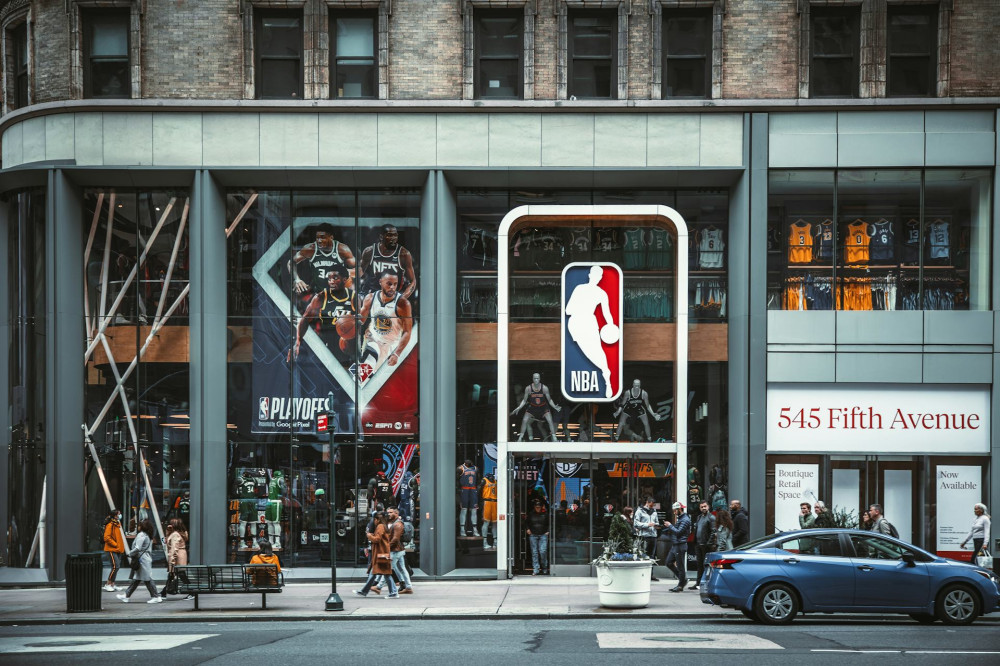
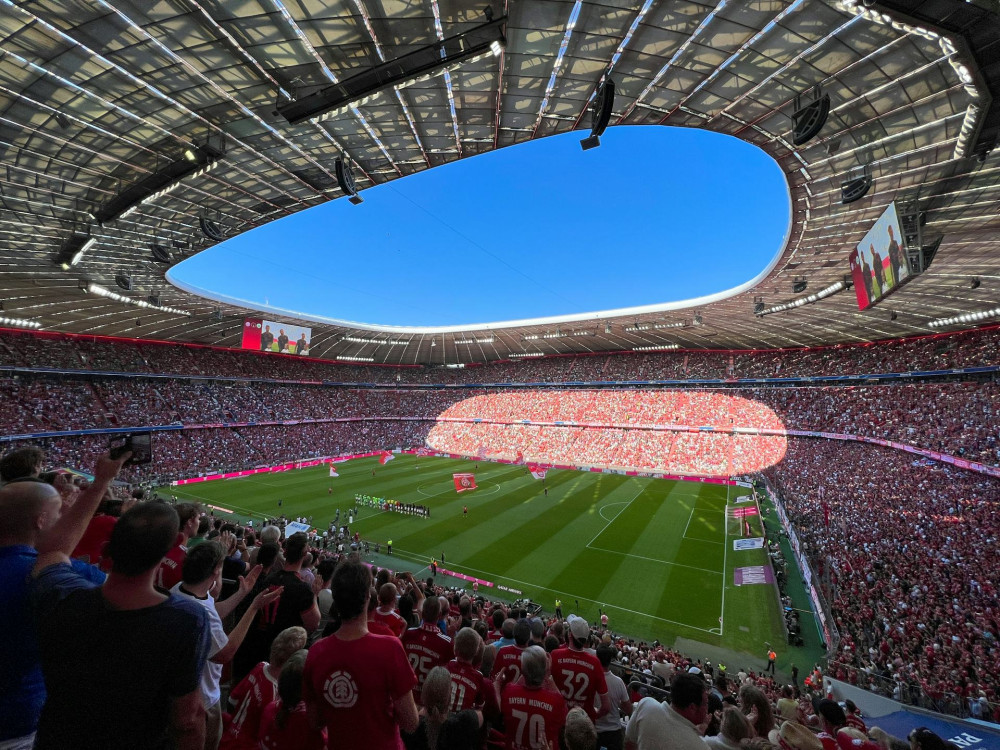
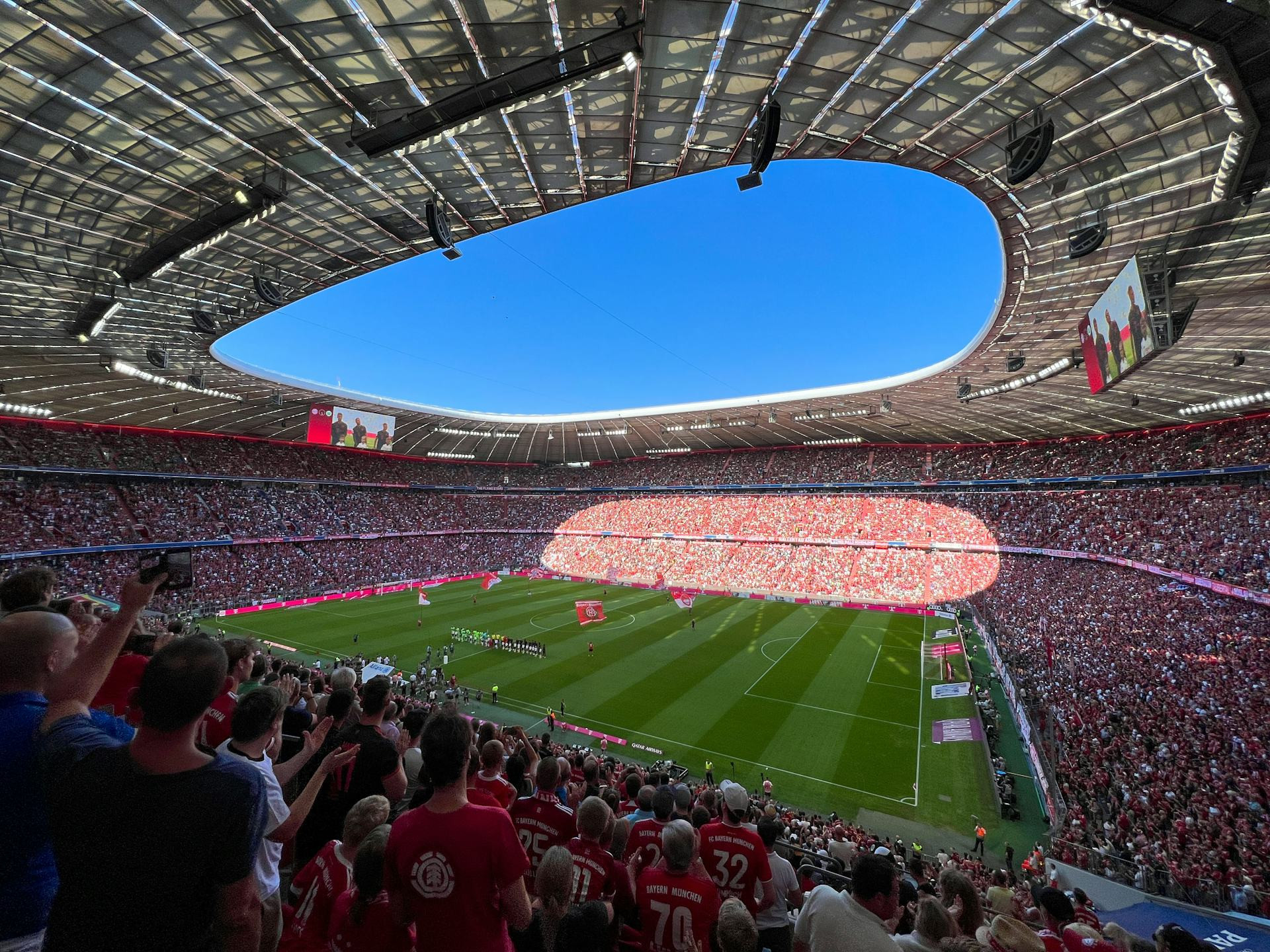
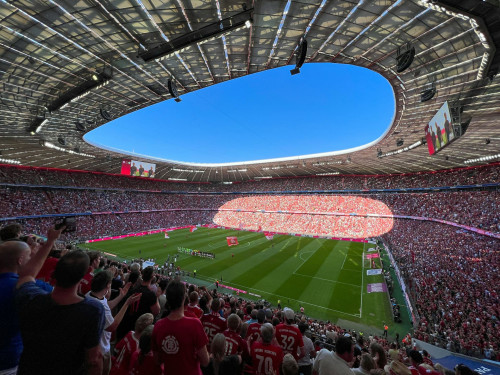
Bookmakers have become major players in the sports economy. Sponsorships, advertising deals, and partnerships with professional leagues and teams are now common. These relationships bring in significant revenue for sports organizations but also raise ethical questions about the influence of gambling on the integrity of sports.
At the same time, betting has deepened fan engagement. Many fans follow games more closely when they have a wager riding on the outcome, making betting an integral part of the modern sports experience.
Læs også:


A Constantly Evolving Industry
Bookmaking today is a high-tech, data-driven business that blends mathematics, psychology, and market strategy. Behind every line and every odd lies a complex system designed to balance risk and reward. The bookmaker is more than just a facilitator of bets—they’re a key player connecting the passion of sports with the excitement of wagering, constantly adapting to new technologies, regulations, and the ever-changing behavior of bettors.
Læs også: