Prevent Overuse Injuries in Kitesurfing with These Effective Tips

Prevent Overuse Injuries in Kitesurfing with These Effective Tips
Kitesurfing is one of the most thrilling and technically demanding water sports out there. The combination of wind, water, and speed creates an incredible sense of freedom—but it also puts significant strain on your body. Many kitesurfers experience shoulder, back, knee, or forearm pain, especially at the start of the season or after long sessions. The good news is that with the right preparation and habits, you can stay injury-free and enjoy more time on the water. Here are some effective tips to strengthen your body, refine your technique, and prevent the most common overuse injuries in kitesurfing.
Know the Most Common Overuse Injuries
Kitesurfing challenges your strength, stability, and coordination. The areas most at risk include:
- Shoulders and neck – strained by repetitive pulling on the kite and static tension during rides.
- Lower back – stressed by rotations, landings, and sudden jerks from the harness.
- Knees – vulnerable during jumps, landings, and awkward movements in choppy water.
- Forearms and hands – overworked from gripping the bar and maintaining constant tension.
Recognizing these risk zones is the first step toward prevention. The next is building strength and improving your technique.
Build Strength and Stability Off the Water
A strong, stable body is your best defense against overuse injuries. You don’t need to spend hours in the gym—just a few focused sessions each week can make a big difference.
- Core training: Exercises like planks, side planks, and “dead bugs” strengthen the deep abdominal muscles that stabilize your spine while riding.
- Shoulder stability: Use resistance bands to strengthen your rotator cuff and shoulder blade muscles. This helps prevent impingement and overuse.
- Legs and hips: Squats, lunges, and balance exercises improve strength and control in your knees and hips—crucial for landings and directional changes.
- Forearms and grip: Train grip strength with hand trainers or by hanging from a pull-up bar. This reduces fatigue in your forearms.
Adding yoga or mobility work can also help maintain flexibility in your shoulders, hips, and back.
Warm Up—Even on the Beach
Many kitesurfers skip warm-ups, but a few minutes of movement before hitting the water can prevent a lot of injuries. Spend 5–10 minutes on the beach activating your muscles:
- Light jogging or high knees to raise your heart rate.
- Dynamic stretches for shoulders, hips, and back.
- Arm and wrist circles to prepare joints and tendons.
A proper warm-up increases blood flow and muscle elasticity, helping you react faster and avoid sudden strains.
Adjust Your Gear and Technique
Poorly adjusted equipment is a hidden cause of many overuse injuries. Make sure that:
- Your harness fits properly – it should be snug without pressing on your lower back. A loose harness can cause unnecessary jerks to your back and shoulders.
- The bar height matches your arm length so you don’t overextend your shoulders.
- Foot straps or bindings are secure but not too tight—this reduces the risk of twisting your knees or ankles.
Technique matters just as much. Learn to use your legs and core to absorb the kite’s power instead of relying solely on your arms. If you’re unsure about your form, consider taking a lesson from a certified instructor to fine-tune your posture and movement patterns.
Listen to Your Body and Plan Recovery
Overuse injuries rarely happen overnight—they develop gradually when your body doesn’t get enough recovery time. Pay attention to early warning signs like soreness, stiffness, or reduced mobility.
- Take a break if you feel persistent pain.
- Use ice and gentle stretching after intense sessions.
- Prioritize sleep and proper nutrition—this is when your body repairs itself.
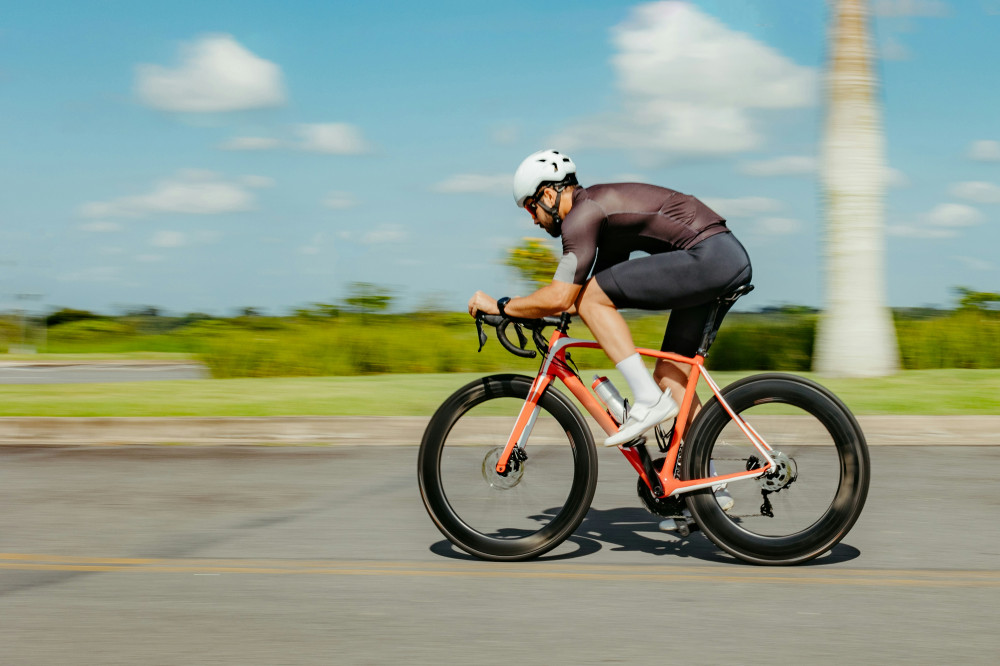
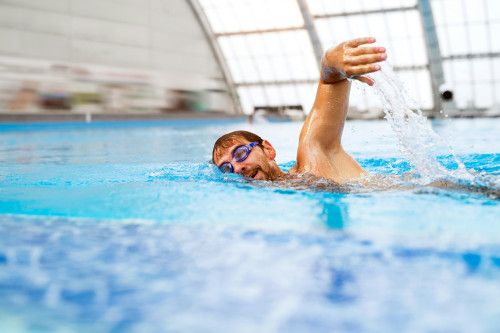
Varying your training is also key. Mix kitesurfing with swimming, cycling, or strength training to avoid repetitive strain.
Læs også:


Train Smarter—Ride Longer
Preventing overuse injuries isn’t just about avoiding pain—it’s about improving your performance and longevity in the sport. A strong, flexible, and well-rested body reacts faster, maintains better balance, and gives you more control in the wind.
With consistent strength training, proper warm-ups, and attention to technique, you can extend your season, boost your performance, and enjoy kitesurfing without interruptions. It’s the best investment you can make—for both your body and your passion for the sport.
Læs også: