Compression Clothing for Sports: Choose the Right Type for Your Workout


Compression Clothing for Sports: Choose the Right Type for Your Workout
Compression clothing has become a staple in the wardrobes of many athletes—from runners and cyclists to weightlifters and team players. The tight, elastic fabric promises improved performance, faster recovery, and fewer injuries. But how does it actually work, and how do you choose the right type for your workout? Here’s a guide to finding the best compression gear for your sport.
What Is Compression Clothing—and How Does It Work?
Compression clothing is made from elastic materials that apply gentle, consistent pressure to your muscles. This pressure is designed to improve blood circulation, reduce muscle vibration, and support your muscles during movement. The result can be a feeling of stability and less fatigue during and after exercise.
Research suggests that compression gear may be especially effective for recovery—helping to reduce swelling and soreness after intense workouts. The performance benefits vary from person to person, but many athletes report feeling more supported and aware of their body movements when wearing it.
Compression Gear for Running
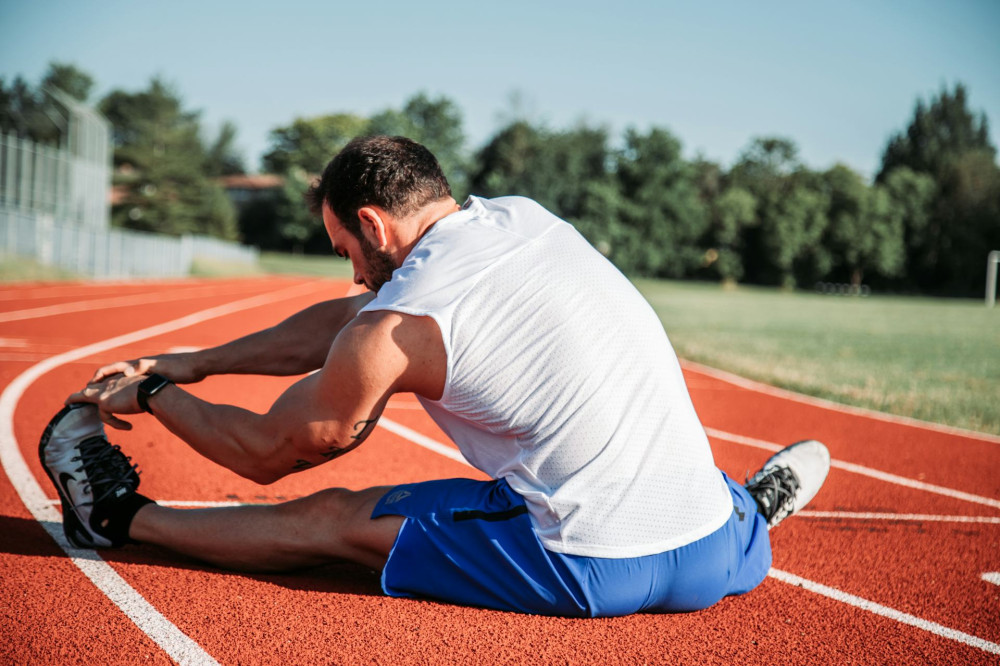
For runners, compression socks and tights are the most popular options. They help stabilize the calf and thigh muscles, which can reduce the risk of cramps and shin splints. They also promote better blood flow in the legs, which is especially helpful on long runs.
- Compression socks: Great for both training and recovery. You can wear them during runs or afterward to reduce swelling.
- Compression tights: Provide full-leg support and are particularly useful for interval training or hill runs.
Choose a pair that fits snugly but not too tight—excessive pressure can restrict circulation instead of improving it.
Compression Gear for Strength Training
In strength training, stability and freedom of movement are key. Compression clothing can help keep muscles warm and enhance body awareness during heavy lifts.
- Compression shorts: Support the hips and thighs during squats and deadlifts.
- Compression shirts: Provide shoulder and upper-body support, which can be beneficial for pressing movements.
Many lifters also wear compression gear as a base layer to stay warm and reduce the risk of minor muscle strains.
Compression Gear for Cycling
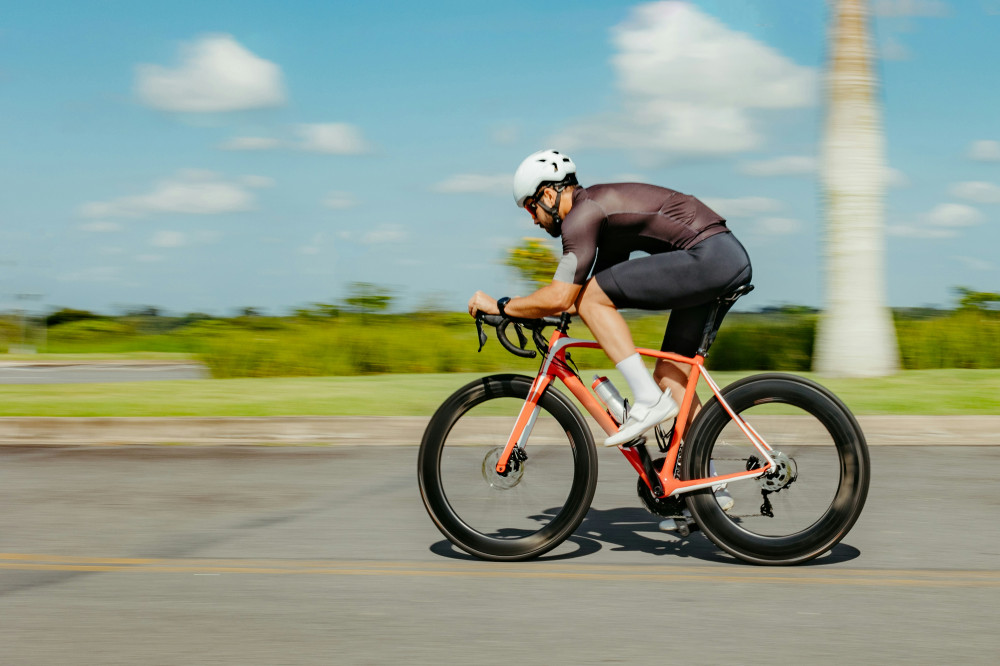
Cyclists often use compression shorts and sleeves to support their muscles during long rides. This can help reduce leg fatigue and improve post-ride recovery.
- Compression shorts or bibs: Support the thighs and glutes, where most of the effort is concentrated.
- Compression arm sleeves: Help reduce muscle vibration and can also offer sun protection.
After a ride, wearing compression socks can promote blood flow and reduce swelling in the lower legs.
Compression Gear for Team Sports
In sports like soccer, basketball, and football, players make frequent direction changes and explosive movements. Compression clothing can help stabilize muscles and joints while also protecting against minor impacts and abrasions.
- Compression tops: Support the upper body and can reduce shoulder and arm fatigue.
- Compression shorts or tights: Keep muscles warm and may lower the risk of strains.
Many athletes wear compression gear under their uniforms for added support without sacrificing mobility.
Finding the Right Fit
Compression clothing should fit snugly but comfortably. It shouldn’t dig into your skin or restrict breathing. Always check the manufacturer’s size guide carefully—sizes can vary between brands.
Look for breathable, moisture-wicking materials to prevent overheating. If you mainly use compression gear for recovery, a lighter model may be best. For training, choose a more supportive version that can handle movement and sweat.
When to Use Compression Clothing
You can wear compression gear both during and after workouts, depending on your goals:
- During exercise: For support, stability, and comfort.
- After exercise: To promote recovery and reduce muscle soreness.
Some athletes even wear compression socks overnight after intense competitions to speed up recovery.
Læs også:



A Helpful Tool—Not a Replacement
Compression clothing can be a valuable addition to your training routine, but it’s not a substitute for proper technique, warm-ups, and recovery. Think of it as a supportive tool that can give you a small edge—especially if you train frequently or at a high level.
The most important thing is that you feel comfortable and supported, allowing your gear to enhance your performance naturally.
Læs også: